Sunset and Stars at Teide National Park

Reviewed · MOUNT TEIDE & STARGAZING

Sunset and Stars at Teide National Park

4.5 · 168 reviews 4 hours 30 minutes (approx.) Operated by Stargazing Tenerife · Bookable on Viator
Book on Viator →

Dusk at Teide turns the sky into theater. I love the cava at the first viewpoint as the sun drops over La Palma, La Gomera, and El Hierro, and I love that the night show uses a 12-inch Dobsonian with laser pointers to guide you through the sky. The main drawback is simple: it gets cold, it is outdoors with lots of standing, and the stargazing can be affected if clouds or a bright moon steal the contrast.

This is an easy add-on to a Tenerife trip because you skip taxis and get picked up from the South coast, then dropped back afterward. One thing to watch, though, is communication. You must provide a WhatsApp number, and the exact pickup time and place comes to you by message the morning of the tour.

If you want star names explained in plain language, like how to find Polaris and the Andromeda Galaxy, this tour fits. If you need guaranteed quiet, indoor seating, and late-night bathroom access, you might prefer a different kind of evening.

Key things I’d circle in the plan

Sunset and Stars at Teide National Park - Key things I’d circle in the plan

  • Cava at sunset: a glass of Spanish sparkling wine (or a non-alcoholic alternative) with a big view
  • 12-inch telescope time: a Dobsonian setup used to show clearer targets, not just vague pinpoints
  • Laser pointer learning: you get taught how to find Polaris and Andromeda, plus constellation stories from Greek mythology
  • Seasonal sky targets: the Moon gets priority before full moon, and objects like the Pleiades can appear in winter
  • Individually taken astrophotos: you can download a night-sky photo later, but high-resolution copies are not included
  • Small-tour feel, big-night energy: max 20 travelers, with viewpoint time that can still feel crowded

Sunset over La Palma, La Gomera, and El Hierro

Sunset and Stars at Teide National Park - Sunset over La Palma, La Gomera, and El Hierro
Your evening starts with hotel pickup in Tenerife’s South, typically from coastal areas between El Médano and Los Gigantes. You ride up to a viewpoint where the first mission is easy: watch the sun set and let your brain catch up to how big the Atlantic looks from here.

The payoff is that you are not only watching the sun disappear. You are doing it with a view of nearby islands, including La Palma, La Gomera, and El Hierro. That geography matters. Tenerife often feels like a destination by itself, but this viewpoint reminds you it is part of an island chain. You get that I can see why people keep coming back feeling fast.

Cava is part of the moment. The sun is timed with a glass in your hand, so you get a small celebration instead of a rushed check-the-box sunset. If you do not drink alcohol, the tour provides a non-alcoholic drink, so you still get the ritual.

What can go wrong at sunset

Sunset is weather-dependent, just like stargazing. One cloudy or hazy night can turn the sunset stop into a pretty sky experiment instead of a dramatic finale. Also, viewpoints can get busy. Even with a max group size of 20, sunset stops may feel like a shared public area when multiple vehicles arrive.

Teide National Park stargazing, with a 12-inch Dobsonian

Sunset and Stars at Teide National Park - Teide National Park stargazing, with a 12-inch Dobsonian
After dark, you move to a second viewpoint inside Teide National Park for stargazing. This is where the tour earns its title.

A key detail: the telescope is a 12-inch Dobsonian, and the goal is clarity. That means you are shown the best-contrast targets available that night, instead of cramming in a long list of things that turn out too dim or too washed out.

What you can see (depends on the night)

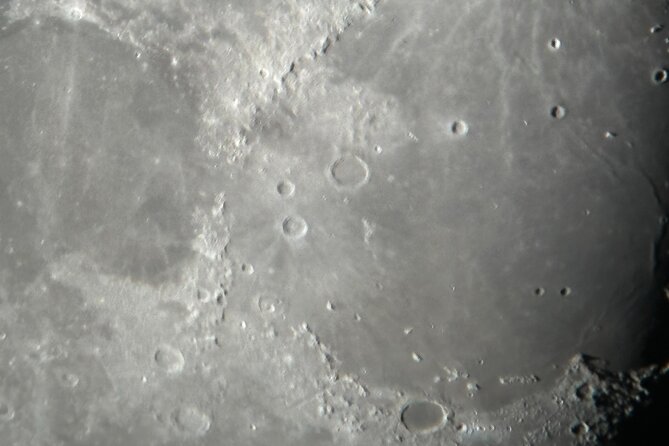
What shows up depends on season and moon phase. Near full moon, the Moon becomes the main subject, especially in the days before the lunar peak. In winter, targets like the Pleiades, also called the Seven Sisters in Taurus, are often in the lineup. On other nights, you might also catch star clusters and nebulae, and you might spot planets when conditions allow.

From prior nights, people have mentioned seeing Saturn with its rings and Jupiter through the telescope. You may also see the Milky Way with the naked eye on clearer evenings. Just keep your expectations flexible. Astronomy is not a guaranteed product you can turn on, it is a cooperation with the sky.

How the guides help you follow along

This tour uses laser pointers to explain what you are looking at and how to find it. You are taught practical navigation in the sky, including how to locate Polaris, the North Star, and how to track down the Andromeda galaxy. The guide also adds stories from Greek mythology around constellations, which is a fun way to make star names stick.

Guide names you might hear include Jaime and Filipe, and some groups are led by guides such as Phil, Alessandro, Steven, and Stephen, plus others mentioned like Marco and Daniele. The common thread is that the guides focus on helping beginners feel oriented fast.

Telescope time and why it can feel uneven

A realistic detail: telescope setups are not instant. Alignment takes a few minutes, and at protected viewpoints there are limits on where you can place equipment. That means you might not spend the same amount of time at the eyepiece every time the scope is set up.

On some evenings, you may also share the immediate telescope area with other tours. That does not automatically ruin the experience, but it can make the vibe less calm than you expected.

Transport and the 4.5-hour flow: smooth, but plan for waiting

The tour runs about 4 hours 30 minutes. That includes pickup, a sunset stop, the transfer to the stargazing viewpoint, telescope time, and a photo moment at the end.

You get air-conditioned transportation, and the big value for many people is not having to coordinate taxis at night. Pickup is from listed South-coast points near your accommodation, not from inland towns off the main route. The tour does not pick up from certain specific areas, including Costa del Silencio, Las Galletas, and Palm-Mar.

The route can add time

You should treat the evening like a small adventure schedule, not a strict timetable. Traffic around Los Christianos and Playa de las Américas can stretch the ride. The tour operator adapts where possible, but road conditions and nighttime access rules can affect how smooth the journey feels.

Expect outdoor time, not just telescope time

One recurring theme from feedback is that you may spend more time waiting than you imagine, especially at the sunset viewpoint. If the sky has clouds, you might still stand around while the team decides the next best option. This is normal for astronomy tours, but it is worth knowing up front.

If you do not handle waiting in cold air well, pack comfort items like gloves and a warm hat. It makes the waiting feel less like a chore.

What you get included, and why it can feel worth it

Sunset and Stars at Teide National Park - What you get included, and why it can feel worth it
At $72.59 per person, this is not the cheapest thing you can book in Tenerife. The value comes from what is bundled, and how much work is involved to make stargazing actually work.

Here is what is included:

  • Private transportation by vehicle with pickup and drop-off
  • Telescopes and tripods for use
  • A glass of cava at sunset, or a non-alcoholic drink
  • Air-conditioned vehicle
  • A photo of you taken individually using astrophotography techniques, downloadable later from Facebook (high-resolution not included)

The telescope and instruction piece is the big differentiator. Many DIY stargazing nights fail because people do not know where to look. This tour gives you that instant head start, especially with laser pointers and guide-led finding of targets like Polaris and Andromeda.

The photo souvenir is a nice touch

You get individual photos taken under the stars using astrophotography techniques. That is a real memory-maker, because smartphone pictures often struggle with faint sky objects. You can download the photo later, but if you expected high-resolution downloads, that is not part of the deal.

Is it worth the money?

If you want convenience, guided sky navigation, and telescope viewing, the price can feel fair. If your main goal is a quiet, private night with maximum time at the eyepiece, you might judge it expensive when you see how conditions and crowds affect telescope minutes.

My take: this tour is best when you treat it like an astronomy lesson plus a memorable sunset, not like a guaranteed long telescope session.

What to bring: warm layers matter more than you think

Sunset and Stars at Teide National Park - What to bring: warm layers matter more than you think
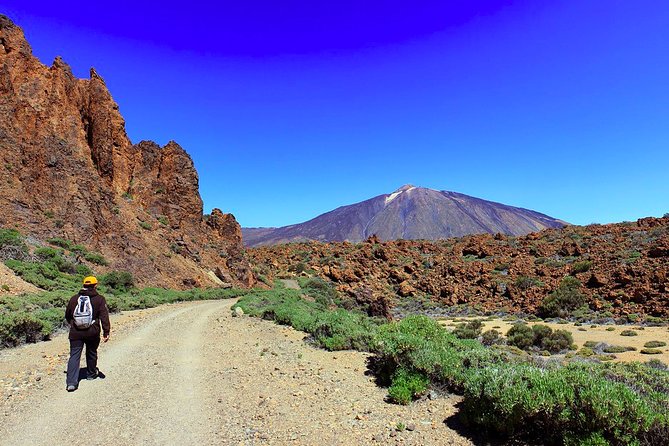
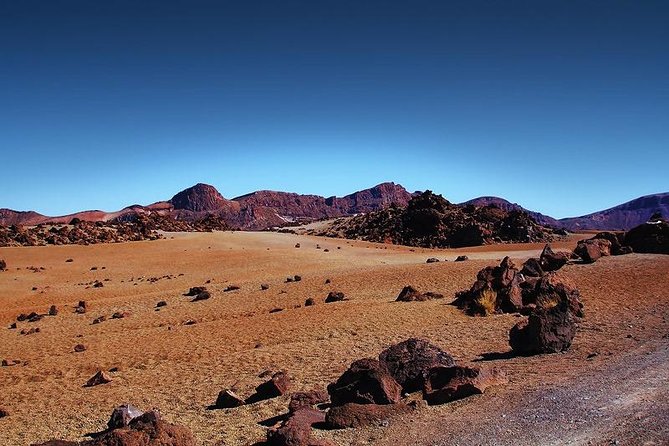
This is an outdoors evening at elevation near Teide National Park. Even on a mild Tenerife day, nighttime at the viewpoints can feel sharp, windy, and noticeably colder than you expect.

Bring:

  • A real warm jacket, not just a light layer
  • Gloves and a hat (wind makes fingers forget they are attached)
  • Closed-toe shoes with grip
  • Water and a snack if you want one

You are allowed to bring snacks, but you cannot eat inside the buses. Also, the tour is not a dinner excursion, so do not plan to rely on food during the experience.

Coats are sometimes provided

Some reviews mention warm jackets being provided for clients. That helps, but it is still smart to bring your own layers, because wind and cold can vary by night.

Bathroom reality check

There are no bathroom facilities at these protected areas. One review specifically called out the lack of toilet options for a 4.5-hour outing. Plan like this is an evening hike, because it largely is.

Weather, moon phase, and light pollution: manage expectations

This tour requires good weather. If it gets canceled due to poor conditions, you get offered a different date or a full refund.

Even on nights that run, clouds can blur the sunset, and clouds can reduce how much the telescope can reveal. Near full moon, the Moon brightens the sky and limits how many faint objects pop out. The guides shift the focus accordingly, often centering the Moon and the most visible targets.

Light pollution is another variable. Some stargazing spots have vehicle headlights passing nearby. You might not be able to control that, but it is a reason to dress for the night and focus on what the sky allows.

Who should book, and who might rethink it

Sunset and Stars at Teide National Park - Who should book, and who might rethink it
This tour is a strong fit for:

  • Beginners who want to learn how to find Polaris and Andromeda without guessing
  • People who like a guided mix of sunset views and telescope viewing
  • Families with kids older than the minimum requirement

It is not a great fit for:

  • Kids under 5 years old, since booster seats are only mentioned for older children
  • Anyone who dislikes cold, standing around, and outdoor waiting time
  • People who need full bathroom access during the experience

One more practical point: the pickup system depends on you being reachable. Provide the WhatsApp number when booking, and answer messages the morning of the tour so you know the exact pickup time and place.

If you are anxious about missing the ride, use a simple plan: be ready early, keep your phone on, and confirm you received the pickup details.

Final call: should you book Sunset and Stars at Teide National Park?

Sunset and Stars at Teide National Park - Final call: should you book Sunset and Stars at Teide National Park?
If your idea of a perfect Tenerife night is a sunset view over multiple islands, then a guided route through constellations with telescope views, this tour makes sense. The inclusion of pickup, transportation, telescopes, and a cava-style sunset moment adds up, especially if you are traveling without a car.

I would book it if you are comfortable dressing warm, standing outdoors, and accepting that the sky can change the schedule. I would pause and compare if you need a super quiet setting, want no waiting time, or need guaranteed, long telescope access regardless of moon phase and weather.

FAQ

How long is the Sunset and Stars at Teide National Park tour?

It runs about 4 hours 30 minutes.

Where does pickup happen in Tenerife?

Pickup is from listed points near your accommodation on the South coast, between El Médano and Los Gigantes. It does not pick up from towns inland from the main TF1 highway, and it does not pick up in Costa del Silencio, Las Galletas, or Palm-Mar.

Do I need a taxi to get to the viewpoints?

No. Private transportation is included, with pickup and drop-off service.

Is cava included?

Yes. A glass of cava (Spanish sparkling wine) is included for adults, along with a non-alcoholic drink option.

What will I see in the night sky?

You will see targets that depend on the time of year. The Moon is a main focus in the days before full moon, and you may see galaxies, nebulae, and star clusters such as the Pleiades in winter.

Is a telescope provided?

Yes. Telescopes and tripods are supplied, including a 12-inch Dobsonian telescope for stargazing.

Can I bring snacks?

Yes, you can bring snacks to eat during the tour, but no eating is allowed in the buses.

What if the weather is bad?

The experience requires good weather. If it is canceled due to poor weather, you will be offered a different date or a full refund.

More Tour Reviews in Tenerife

More like this

Mount Teide & Stargazing, compared.

The full Mount Teide & Stargazing list →