Sunset and stargazing from Teide

Reviewed · MOUNT TEIDE & STARGAZING

Sunset and stargazing from Teide

3.5 · 51 reviews Operated by Tenerife Stars · Bookable on Viator
Book on Viator →

The Teide sky steals the show. This Tenerife outing strings together a golden-hour sunset and then a proper astronomy session in the low-light setting of Teide National Park. I like that you get time for both big views and small details through telescopes, plus a relaxed meal stop in the middle. One thing to keep in mind is that the stargazing part depends on good weather, so plan to dress for a chilly, high-altitude night.

I also love the Starlight approach here, since the area is protected as a Starlight Tourist Destination and Reserve. Tenerife controls light pollution inside the park, including flight routes, which is exactly why the stars look so sharp. If you want to plan your evening around maximum sky time, this is a strong fit, even if you are just starting out with astronomy.

Key highlights you will feel right away

Sunset and stargazing from Teide - Key highlights you will feel right away

  • Starlight-protected skies in Teide National Park for low light pollution viewing
  • Sunset viewpoints with a chance to see west-side islands like La Gomera, La Palma, and El Hierro
  • A full 3-course dinner with local wine at Guia de Isora
  • Powerful telescopes plus constellation guidance at around 2000 meters
  • Small group feel with a max of 55 travelers on the night

Why Teide sunset and stargazing work so well together

Sunset and stargazing from Teide - Why Teide sunset and stargazing work so well together
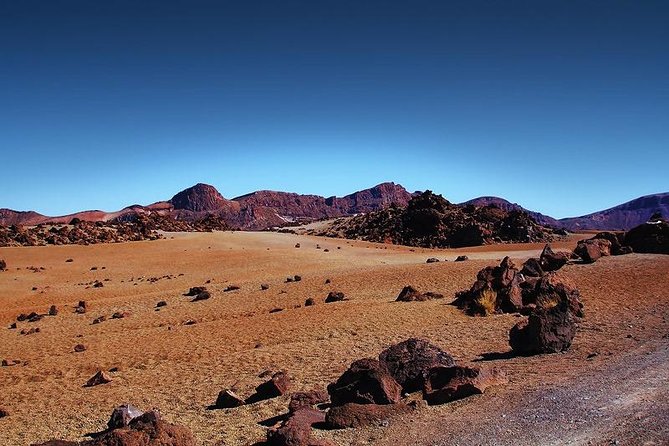
Teide National Park is one of the easiest places to connect atmosphere with astronomy. During sunset, you get that orange glow over volcanic scenery and ocean horizons. Then, once the light drops, the whole vibe flips to quiet, star-focused wonder.

What makes this work at Teide is not luck. The park is designated as a Starlight Tourist Destination and a Starlight Reserve, and Tenerife has rules aimed at keeping light pollution low. That includes limiting light pollution impacts and controlling flight routes in the area. Translation for you: you are not just driving to a pretty hill, you are getting a night-sky environment built for seeing fainter stars and clearer constellations.

And it is not only about looking. You will be guided through what you are seeing, including constellations associated with older traditions, plus the brighter stars you can spot faster. That turns a vague, star-dots-in-the-dark moment into something you can actually name and remember.

Timing and the 6-hour evening rhythm

Sunset and stargazing from Teide - Timing and the 6-hour evening rhythm
This runs about 6 hours, with a 5:00 pm start. That is perfect if you want a full evening without burning your whole day. You begin in daylight for sunset viewing, then shift into nighttime astronomy before things get too late.

In winter, dinner timing is listed as around 4:30 pm, which is smart because you do not want to end up starving while you are waiting for telescopes to kick into action. If you are traveling in warmer months, dinner is still included, but the exact timing can shift with the schedule.

Expect a steady flow: travel between scenic stops, then one longer star session at altitude. You will likely spend more time looking than rushing, but you should still plan to stay mentally flexible if the schedule bends slightly due to weather and sky conditions.

Group size is capped at 55 travelers, which keeps it more organized than a big bus crowd. It still means you should arrive ready to move quickly at each stop, but you should not feel totally lost in the shuffle.

Guia de Isora: the 3-course meal stop that makes the tour feel worth it

The first main stop is Guia de Isora. This is where you build energy for the night ahead with a 3-course meal plus local wine, water, and soft drinks. You can also choose a vegetarian or vegan meal, which matters for a longer evening where food quality can make or break your mood.

Why I like this stop for stargazing nights: good astronomy takes patience. Cold air, delays, and the time it takes your eyes to adjust can make people cranky. Feeding people earlier keeps you from turning into a grumpy meteorologist who wants the sky to hurry up.

There is also time to take a short walk and enjoy the views. That might sound like a throwaway line, but it actually helps. You get a chance to stretch, breathe, and look around without standing in one place for the entire evening.

One small consideration: if you are sensitive to uphill walking, keep your pace easy during that short break. The walk is meant to be casual, but it is still at a scenic stop where you may be on uneven ground.

Mirador de los Poleos: the sunset view and the west-island horizon

Sunset and stargazing from Teide - Mirador de los Poleos: the sunset view and the west-island horizon
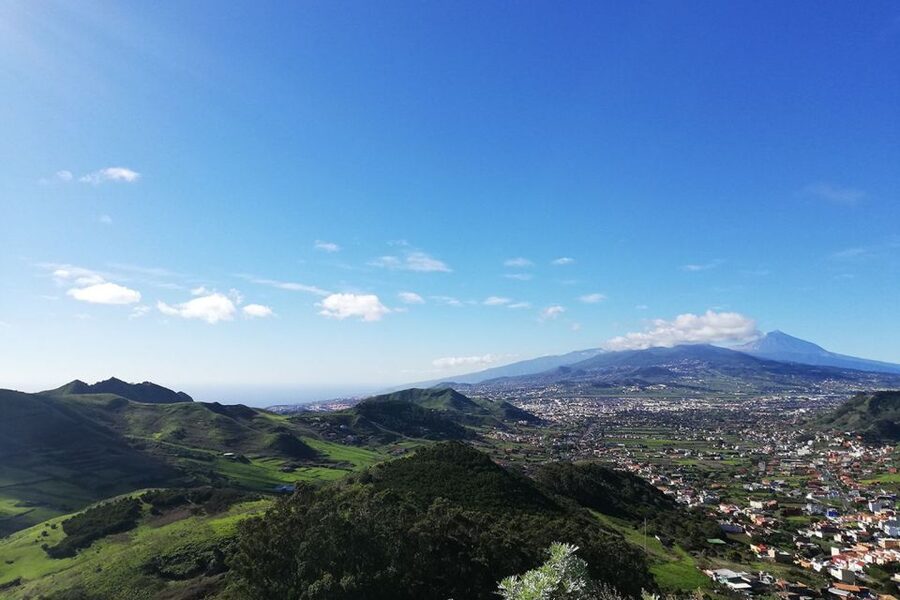
Next comes Mirador de los Poleos, a dedicated sunset viewpoint. This is your real payoff window for golden-hour color, with an especially nice bonus: on clear evenings you can see islands to the west of Tenerife, including La Gomera, La Palma, and El Hierro.

That west-island horizon matters because it gives the sunset context. You are not only watching the sun drop, you are seeing it set across a layered seascape. It makes the sky feel bigger, and it makes the transition into night photography and stargazing feel natural rather than abrupt.

The stop is about 30 minutes, so it is not long, but it is timed well. You want enough time to take photos, soak it in, and then move on before darkness becomes too advanced to set up comfortably.

Practical tip: bring a warm layer for after sunset. Even if you feel fine in daylight, the temperature can shift quickly once the sun goes down and you are at viewpoints in the evening air.

Queen’s Shoe at around 2000 meters: telescope time in Teide’s low light

Sunset and stargazing from Teide - Queens Shoe at around 2000 meters: telescope time in Teide’s low light
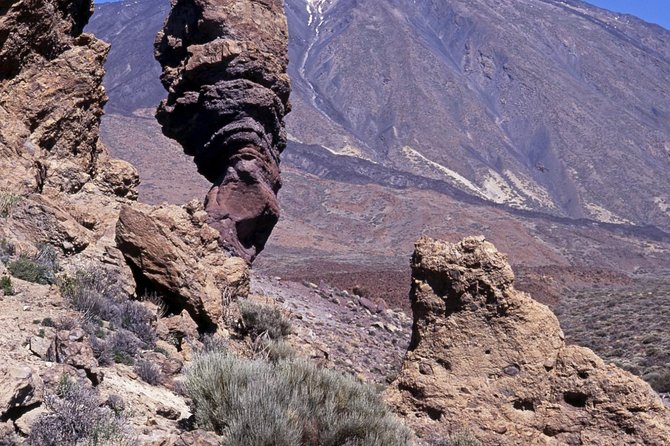
The star of the night is Queen’s Shoe, where you get stargazing in the National Park at around 2000 meters. This is one of the best places globally for stargazing, and Teide’s low light pollution is the reason.

You get about 2 hours here, which is the right length for a telescope session. It lets your eyes adjust, gives time for the guide to explain what you are seeing, and gives you a chance to spend time at the telescope without feeling like it is over the second you are warmed up.

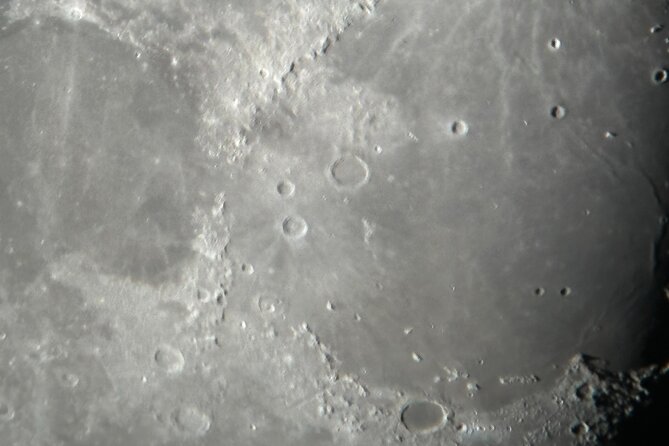
The telescopes are included, and they are the key difference between seeing stars as dots and seeing them with structure. With a good telescope setup, you can understand why people travel for astronomy, not just sunsets.

What I find most useful here is the focus on constellations and bright stars. It helps you build a quick mental map, so you are not only waiting for the next object. You can look up, recognize something, and feel like you are learning in real time instead of just observing.

What you should expect to learn under the stars

Sunset and stargazing from Teide - What you should expect to learn under the stars
This tour is not only about looking through glass. It is also about connecting the night sky to humans, including constellations designed by ancestors. That kind of framing is more fun than a purely technical astronomy lecture because it gives meaning to what you see.

Expect your guide to point out constellations and bright stars, and then help you connect those with what your eyes and the telescope reveal. That is how you avoid the common problem of leaving a stargazing night remembering only that it was dark and beautiful.

You may also hear star spotting tips that help you plan your own stargazing on other nights in Tenerife. The big takeaway is how to spot the easiest stars first, then work your way toward fainter details once your eyes adjust.

If your guide is one of the people highlighted for this experience in past feedback, like Ozzi or Gianmarco, you can likely expect extra enthusiasm and explanations that keep it from feeling like a lecture. Even without a specific named guide, the format is designed to keep you engaged while you wait for night viewing conditions to line up.

Transportation and comfort, because the night matters

Sunset and stargazing from Teide - Transportation and comfort, because the night matters
You travel by air-conditioned vehicle, which is a welcome detail in Tenerife, especially if you start in the late afternoon. It makes the ride smoother and easier to handle when you are moving between viewpoints.

Because pickup from the north of the island is not included, you will want to check your own starting point carefully. The tour ends back at the meeting point, so you are not left solving a transportation puzzle late at night.

The activity is near public transportation, which is useful if you are combining this with other plans. Still, do not treat that as a guarantee that it is convenient from every part of the island. Tenerife is big, and evening timing can make commutes slow.

Also, this is an outdoors evening. You will likely be standing for parts of the stops and spending time waiting for telescope viewing. Pack like you are expecting cool air at altitude.

What to pack for Teide’s sunset-to-night switch

Sunset and stargazing from Teide - What to pack for Teide’s sunset-to-night switch
You do not need fancy gear, but you do want basics that keep you comfortable while your attention is on the sky.

Bring:

  • A warm layer for after sunset (even if the day felt mild)
  • Comfortable shoes for short walks and viewpoint stairs or uneven spots
  • A light jacket or blanket if you get chilly easily
  • Phone charged, plus a flashlight feature if you need help navigating in low light

If you plan to take photos, keep in mind that you will be in a dark-sky area. Your phone camera might need a bit of experimenting to capture stars cleanly. The tour’s main value is you seeing the sky properly, not forcing your phone to behave like a telescope.

Price and value: why $77 feels fair for what you get

At $77.08 per person, this is not an impulse buy, but it also is not priced like a luxury astronomy expedition with private everything. What you do get helps the value make sense.

Included are:

  • Air-conditioned transport
  • Dinner with a 3-course meal and local wine
  • Water and soft drinks
  • Powerful telescopes for the stargazing session

That combination is the real value. A sunset viewpoint alone can be cheap. A dinner stop alone costs money. Telescopes plus a guided constellation session can add up quickly. Here, the tour stitches it together into one evening where you do not have to organize meals and transportation around the astronomy yourself.

It is also a smart way to avoid “DIY fails.” If you have never stargazed at Teide before, you benefit from the structure: when to look, where to stand, and how to understand what you are seeing.

Who should book this Teide sunset and star tour

I think this fits best if you want:

  • A guided Teide experience without planning three separate outings
  • A mix of sunset views and an actual stargazing session
  • A dinner included plan for an evening that stretches into night
  • A guided approach to constellations, not just random star gazing

You might especially enjoy it if you are traveling with someone who likes scenery in daylight but also wants a fun nighttime activity. It bridges both moods.

If you prefer long, slow stops, note that some viewpoints are short, like the sunset location. But you still get enough time to watch the horizon and then transition into deeper sky viewing.

Possible downsides to consider before you go

The biggest one is weather. This experience requires good weather, and if it is canceled due to poor conditions, you will be offered another date or a full refund. That is fair, but it does mean you should keep some flexibility in your travel dates.

Second, languages can be a factor on guided tours. In past feedback, there has been at least one mention of language mismatch, along with a reminder that guides may work with groups across different language needs. If you have a strong preference for a specific language for the explanation, confirm details when you book so you are not stuck feeling left out.

Finally, altitude means you may feel cooler and windier than you expect. It is not a problem for most people, but it is worth dressing for.

Should you book the Teide sunset and stargazing evening?

Yes, I would book it if your goal is a single, well-timed evening that links sunset beauty with serious night-sky viewing at Teide. The low-light protected setting plus telescopes and guided constellations make it more than a sightseeing drive.

Skip it, or at least choose a flexible date, if you hate weather uncertainty or if you need guaranteed, highly specific language support. Also, if you are staying far north and you were hoping for pickup there, remember that north pickup is not included, so you will need to plan your own route to the meeting point.

If you pick it, do it with the right mindset. This is an evening for looking up, staying warm, and letting the night sky become familiar one constellation at a time.

FAQ

What time does the tour start, and how long is it?

It starts at 5:00 pm and runs for about 6 hours.

What is included with the dinner?

Dinner is included, and in winter they eat around 4:30 pm. You also get alcoholic beverages in the form of wine, plus water and soft drinks.

Are vegetarian or vegan meals available?

Yes. You may choose a vegetarian meal or a vegan option.

Do you provide telescopes for stargazing?

Yes. Powerful telescopes are included for the stargazing portion.

Where does pickup happen, and is pickup from the north included?

The tour includes return to the meeting point. Pickup from the north of the island is not included.

What happens if weather is bad?

The experience requires good weather. If it is canceled due to poor weather, you will be offered a different date or a full refund.

More Tour Reviews in Tenerife

More like this

Mount Teide & Stargazing, compared.

The full Mount Teide & Stargazing list →

Browse the lists this tour appears in