Reviewed · WHALE & DOLPHIN WATCHING
Costa Adeje | Cetacean sighting in Tenerife South
Whale songs, close to the hull. This small-group cetacean cruise in Tenerife South is built for calm, close viewing: a biologist on board, a maximum of ten passengers, and a hydrophone to listen to whales communicate while the engines are switched off. I especially love how the boat stays quiet and how much personal attention you get when the biologist is tracking behavior. The one drawback to plan for is that it’s a sea trip, so if you’re prone to motion sickness, take precautions ahead of time.
What makes Costa Adeje stand out for this kind of wildlife time is the mix of deep-diving cetaceans and a team that treats distance like part of the experience. You cruise in the waters off Tenerife’s south coast searching for whales, dolphins, and porpoises, and you may also encounter sea turtles and seabirds. If you want a crowd-free outing that turns sighting time into learning time, this tour is a strong match.
Key highlights you will feel on the water

- Max 10 passengers on board, so the guides can actually point things out and answer questions.
- Engines off during sightings, reducing disturbance while animals move and surface naturally.
- Hydrophone whale songs, so you’re not only spotting fins and tails, you’re hearing the communication.
- Biologist-led conservation focus, with real talk about how to watch without interfering.
- A crew that prioritizes animals’ space, including changes in approach if the area is crowded with other boats.
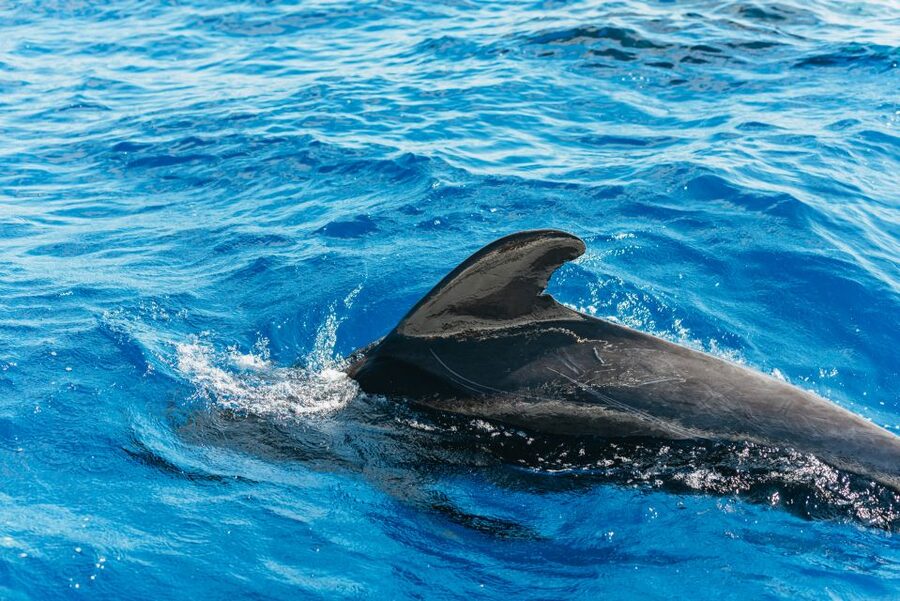
- You might see more than whales, including pilot whales, dolphins, turtles, seabirds, and sometimes other marine life depending on conditions.
Why this Costa Adeje whale watching tour feels different

If you’ve ever done big-deck whale watching, you know the drill, lots of people, lots of noise, lots of yelling, and not much time to really understand what you’re seeing. Here, the vibe is more like a focused marine science field session on the sea. The boat heads out to look for cetaceans, and the crew runs the encounter with a clear rule set: approach thoughtfully, keep space, and let the animals set the pace.
I like that the boat is small enough for your eyes to track behavior, not just look for movement. With up to ten passengers, you usually aren’t fighting for a view or craning around strangers. And I like that the tour does more than identify species. The biologist talks about how animals use the water, how their behavior changes, and why staying respectful matters.
There’s also a practical magic trick built into the experience: the hydrophone. Instead of relying only on what you see, you get a chance to listen to the sound animals make to hunt, communicate, and coordinate. It doesn’t replace visual spotting, but it adds a second layer that makes the encounter stick in your memory.
More chances to meet Tenerife wildlife at sea
- Tenerife: Eco-Yacht Whale and Dolphin Watching and Swimming★ 4.7 · 15,619 reviews
- Los Cristianos Respectful No-Chase Whale and Dolphin Safari★ 4.6 · 12,782 reviews
- Costa Adeje: Whale & Dolphin Eco-Cruise with Snacks & Drinks★ 4.6 · 5,096 reviews
Getting to Av. de Colón, 4 in Costa Adeje
The meeting point is Av. de Colón, 4, 38660 Costa Adeje, Santa Cruz de Tenerife, Spain. The activity ends back at the same place, so you are not dealing with a complicated return plan.
This tour runs for about 2 hours 30 minutes. That time window is long enough to search and adjust course without feeling like you’re stuck on a boat all day. It’s also short enough that you can fit it into a vacation schedule without losing your whole afternoon.
A couple of notes that help you plan like a local:
- The experience is in English, so you won’t be guessing through explanations.
- You get a mobile ticket, which is convenient if you’re trying to keep your phone organized instead of hauling paper.
- Service animals are allowed.
Because the boat is out on open water, dress for sun as well as sea spray. Tenerife South sun can be intense, and you will spend time up near the deck looking out. Bring water, sun protection, and a light layer for wind.
What happens on Papacho 2 once you’re aboard

Your boat is called Papacho 2, and the maximum capacity is ten passengers. That small number shapes everything. You feel it when the biologist starts talking, you feel it when you move around on board, and you feel it when the crew changes position to watch wildlife rather than to chase it.
The biologist on board gives context before you reach the sightings. You learn what you’re likely to see, how to interpret behavior, and how conservation-friendly watching works in practice. Then you head out searching along Tenerife’s coast.
Once cetaceans are spotted, the most important change kicks in. During the sighting, the crew switches off the boat’s engines to reduce disturbance. That single operational choice is a big deal. It helps you hear what’s happening in the water and it supports the idea that you’re there to observe animal behavior, not push it into a show.
The crew also tries to keep the encounter calm by respecting the animals’ space. In the field, that often means staying patient and repositioning carefully. In some situations, you may even leave an area if the space gets too crowded with other boats, because overwhelming animals is the opposite of what this tour is designed to do.
Hydrophone sessions, when you hear what you thought you could only see

The hydrophone is one of those rare add-ons that actually changes the experience, not just the marketing. When the crew launches the hydrophone, you get a chance to listen to whale communication and sound activity, including what they use to communicate or hunt.
This part is especially valuable if you’re traveling with kids, first-timers, or anyone who wants more than a quick spotting. Watching a dolphin surface is fun. Hearing calls and clicks puts you into the animals’ world in a way visuals alone cannot.
Even if you’re not a science person, you’ll understand it because the biologist explains what you’re hearing. You can compare sound cues with what you see on the surface, and then you start to connect the behavior you spot with the signals happening just below.
One more practical benefit: with the engines off, sound levels drop and the boat feels calmer. That can also make the ride more comfortable for people who dislike constant engine vibration.
More easy starts from Costa Adeje
What you might spot off Tenerife South, and what to look for

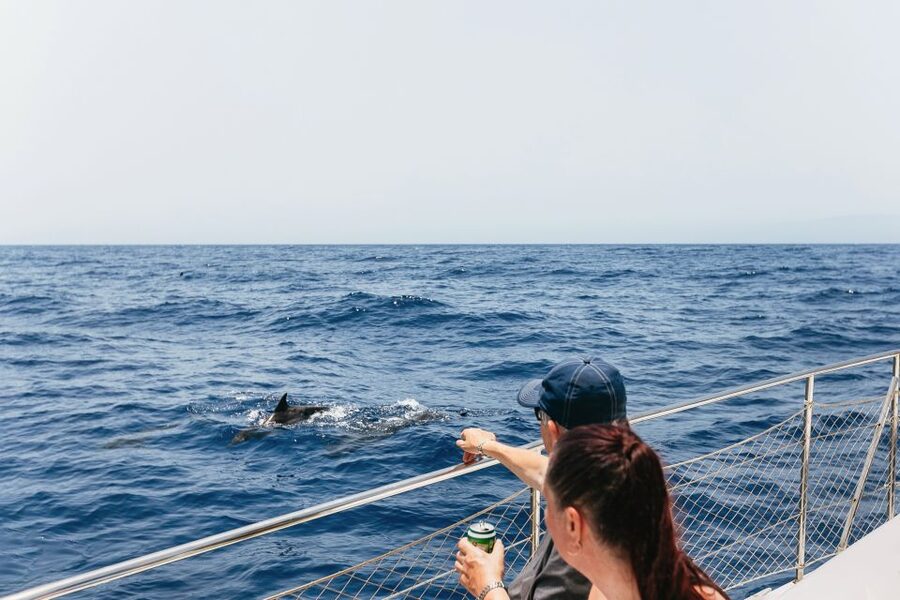
You’re out for cetacean sightings, and you’ll also keep an eye out for sea turtles and seabirds. The specific species you see depend on where the animals are that day and on conditions, but the sightings you can realistically expect based on what the crew reports often include:
- Pilot whales, including groups that can include families
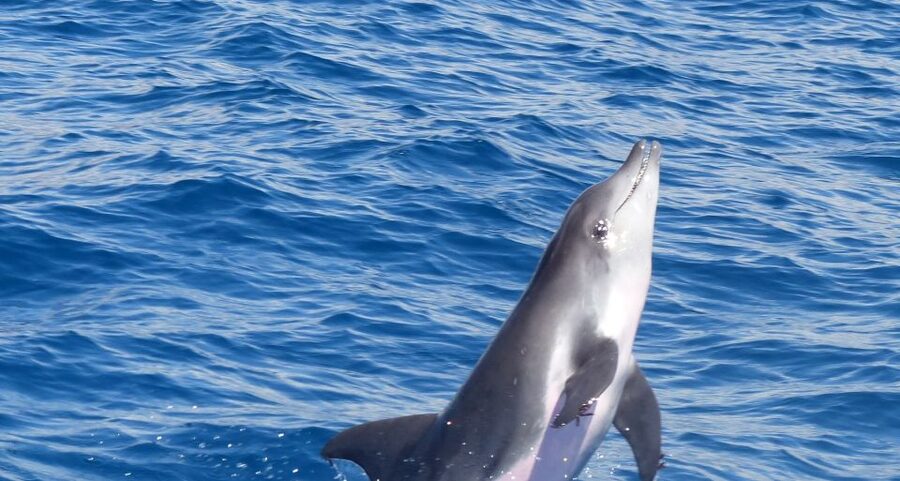
- Dolphins, with reports of striped dolphins and other dolphin types
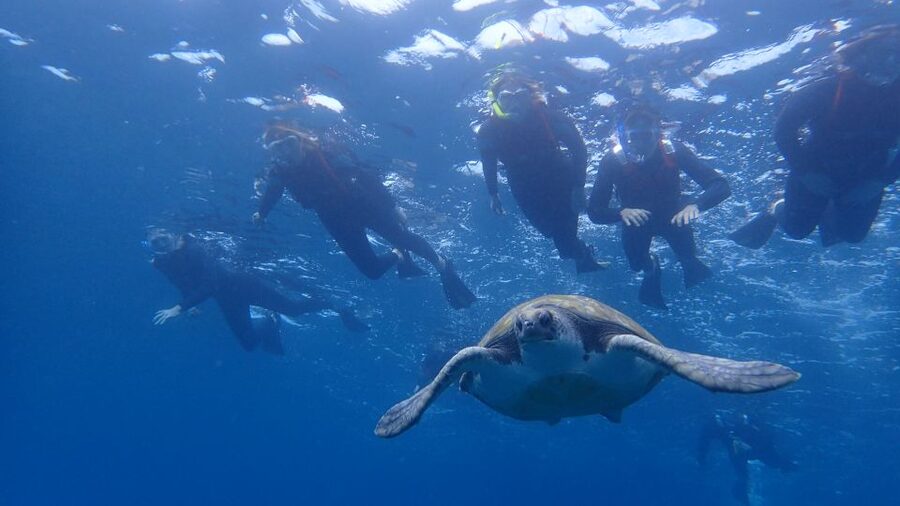
- Sea turtles
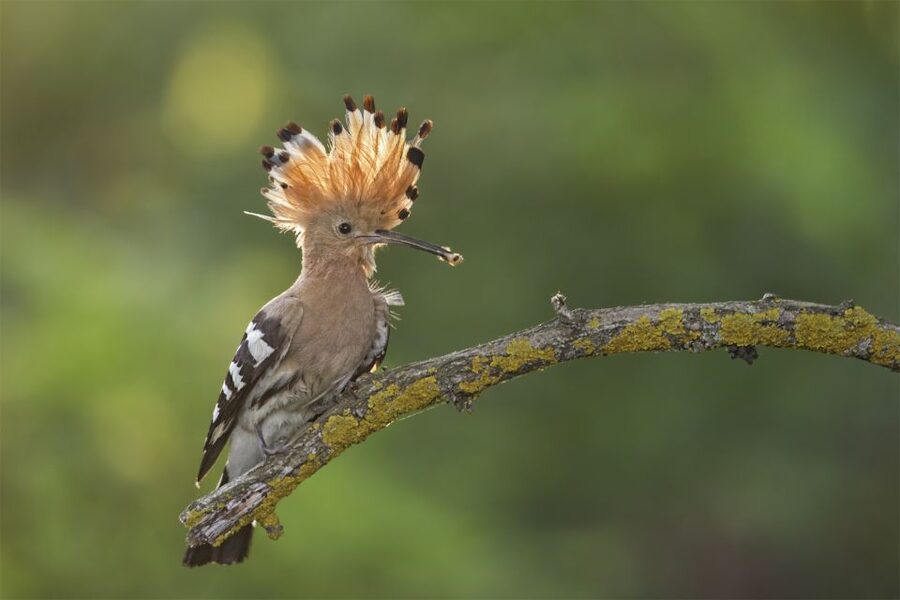
- Seabirds riding the same air and water conditions that bring food
- Other marine life like flying fish, when the water dynamics line up
In some cases, the tour can produce extra surprises, including rare sightings reported during other runs. The key point for you is that this is not presented as guaranteed whale bingo. Instead, it’s structured as careful searching plus a respectful, behavior-first approach when animals show up.
When you see whales or dolphins, you’re not just scanning for a body. Pay attention to patterns:
- Where animals spend time after a dive
- How they move relative to each other
- Whether they surface in a cluster or spread out
- How the crew repositions to keep distance and reduce disturbance
That’s where the small-group format matters. With ten passengers, the biologist can point out things you might miss, like subtle changes in surfacing rhythm or group behavior.
Also, keep an eye out for how the crew handles other boats. If there are many boats around, you might see the crew adjust and sometimes back off to reduce crowding. That’s a conservation behavior lesson you can actually witness.
Value check: is $71.35 per person worth it?

At $71.35 per person for about 2.5 hours, you should think of this as paying for three things at once: a small boat, a marine biologist-led encounter, and an eco-minded operating approach that includes switching off engines and using a hydrophone.
Compared with the big-boat style whale watching that can feel like a floating parking lot, the value here comes from fewer people and more attention per person. If you want meaningful interpretation, this price makes sense because you’re not just buying time near wildlife. You’re buying time with an expert guide who explains behavior, conservation, and what you should pay attention to next.
You also avoid some hidden costs. If you hate crowds, big tours can sap your enjoyment before you even reach the water. With a group capped at ten, your experience is more likely to feel personal and calmer, which is often what people really mean when they say they want a better whale watching trip.
If you are strictly budget-focused and you only care about seeing something fast, a cheaper option might exist. But if you care about how the animals are treated and you want to hear whale sound with a hydrophone, this price feels fair for what you get.
Who should book this, and who should plan differently

This tour fits best if you:
- Want a small-group whale watching experience in Tenerife South
- Like learning as you go, instead of just scanning for animals
- Prefer quiet, conservation-minded watching (engines off matters to you)
- Travel with kids who can handle a couple of hours outdoors with guidance and explanations
It may be less ideal if:
- You are very sensitive to motion and haven’t taken steps to handle it. There are reports of people still getting sick even with precautions, so be honest with yourself. A simple plan like taking motion-sickness tablets ahead of time can help, but it’s also smart to ask what works best for you.
- You only want the largest whales no matter what. This is a cetacean search and behavior watch, so you might see different species depending on conditions, not a fixed checklist.
The crew names that often make the trip feel human

Part of the charm here is that it’s not just a role, it’s a team. The biologist guide you might see includes David, who is described as animated and story-driven while explaining animal behavior. You may also sail with skippers such as Mirna or Captain Claudine.
When the crew takes time to explain what you’re seeing, it can turn a quick sighting into a full lesson. If you’re the type who loves to ask questions, this small boat makes that possible.
Should you book Atlantic Eco Experience in Costa Adeje?
If you want whale watching in Tenerife South that feels calm, personal, and focused on how animals live, I’d book it. The small-group setup, hydrophone listening, and engines-off conservation approach are exactly the combination that makes a whale or dolphin sighting feel special rather than rushed.
Book with confidence if you can handle a boat trip in warm sun and open water. Pack smart, protect yourself from the sun, and plan for sea conditions. If you’re very prone to motion sickness, take it seriously and consider asking for advice on what helps you most.
One last tip: this is best when you’re ready to slow down. The whole experience works because the crew lets the animals do their thing. If you show up wanting instant thrills, it might not be the fit. If you show up wanting to understand marine life, you’ll likely leave happy.
FAQ
How long is the cetacean sighting cruise?
It runs for about 2 hours 30 minutes.
What is the group size on board?
The boat has a maximum capacity of ten travelers.
Where is the meeting point?
Av. de Colón, 4, 38660 Costa Adeje, Santa Cruz de Tenerife, Spain. The tour ends back at the meeting point.
Are hydrophone whale sounds included?
Yes. During the sighting, the crew launches a hydrophone so you can listen to animal sounds used for communication or hunting.
Is the tour offered in English?
Yes, it is offered in English.
What animals might you see?
You look for whales, dolphins, and porpoises. The tour also mentions the possibility of sea turtles and seabirds.
Do you get a mobile ticket?
Yes, the tour uses a mobile ticket.
What is the cancellation policy?
Free cancellation is available. You can cancel up to 24 hours in advance for a full refund. If you cancel less than 24 hours before, the amount paid will not be refunded.
What if the weather is not good?
The experience requires good weather. If it’s canceled due to poor weather, you will be offered a different date or a full refund.
More Tour Reviews in Tenerife
- Siam Park Entry Tickets
★ 4.5 · 15,710 reviews - Tenerife: Eco-Yacht Whale and Dolphin Watching and Swimming
★ 4.7 · 15,619 reviews - Los Cristianos Respectful No-Chase Whale and Dolphin Safari
★ 4.6 · 12,782 reviews - Tenerife: Loro Parque Entry Ticket
★ 4.8 · 12,411 reviews - Loro Parque and Siam Park Combined Admission Tickets
★ 4.7 · 7,307 reviews
Starting from Costa Adeje
- Costa Adeje: Whale & Dolphin Eco-Cruise with Snacks & Drinks
★ 4.6 · 5,096 reviews - Costa Adeje: Whale Watching Catamaran Tour with Drinks
★ 4.7 · 3,653 reviews - Whale Watching Eco-Adventure from Costa Adeje
★ 5.0 · 2,066 reviews - Costa Adeje: Whale & Dolphin Submarine Vision Mini Cruise
★ 4.5 · 2,043 reviews - Costa Adeje: Whale and Dolphin Cruise with Food and Pickup
★ 4.3 · 1,604 reviews
Whales and Dolphins off Tenerife
- Tenerife: Eco-Yacht Whale and Dolphin Watching and Swimming
★ 4.7 · 15,619 reviews - Los Cristianos Respectful No-Chase Whale and Dolphin Safari
★ 4.6 · 12,782 reviews - Costa Adeje: Whale & Dolphin Eco-Cruise with Snacks & Drinks
★ 4.6 · 5,096 reviews - Los Gigantes: Dolphin & Whale Watching Cruise with Swim Stop
★ 4.7 · 4,539 reviews - Costa Adeje: Whale Watching Catamaran Tour with Drinks
★ 4.7 · 3,653 reviews
Just Reviewed: Fresh Tenerife Trips
Whale & Dolphin Watching, compared.
Boat & Yacht Trips
Dolphin Watching
Boat & Yacht Trips
Boat & Yacht Trips
Boat & Yacht Trips
Dolphin Watching
Airport & Island Transfers
Dolphin Watching
Browse the lists this tour appears in