Reviewed · TENERIFE
PADI Open Water Course in 3 Days
Three days to get your certification. In Tenerife’s Canary Islands, this PADI Open Water Diver course turns classroom basics into real underwater skills with tight coaching and a simple plan.
I like how Day 1 is thorough. You start with a video, then you do an exam, and afterward the instructor walks you through equipment and safety so you understand what you are doing before you even get wet. I also love the safety-focused instruction many students highlighted, including Thomas teaching in their own language and Marcin’s patient, step-by-step guidance.
One consideration: meals and drinks are not included, so you’ll want to plan for food each day, especially if your schedule runs long in between sessions.
Key things I’d watch for

- Day 1 prep is structured, with a video, an exam, and safety briefings before any water practice
- Confined water skills first, so you can build control before you go to open water
- Four open-water training sessions over the last two days, with exercises mixed into real underwater time
- Multilingual instructors, with options like Spanish, English, French, German, Polish, Russian, and more
- Equipment, insurance, and PADI registration fee included, which helps the price feel more “complete”
- Pickup depends on where you stay, with Callao Salvaje to El Medano covered, and extra fees listed for other zones
Why Tenerife Works So Well for Your First Certification

Tenerife is a smart place to learn because the schedule is straightforward and the course is built around getting you competent quickly. You are not just watching skills, you are practicing them in a controlled progression. That matters on a first certification course, because confidence comes from repeating tasks until they feel normal.
What also helps is the course tempo. It is designed around 3 days, and the itinerary is flexible based on your wishes. In practice, that means you are more likely to fit the sessions into your trip rather than feeling dragged into a rigid timetable.
The value here is that you are buying a complete learning package: course time, insurance, equipment, instructor support, and the PADI registration fee. For a first-time scuba student, those “hidden extras” can quietly add up elsewhere.
Not decided yet? A few island trips worth setting next to this one.
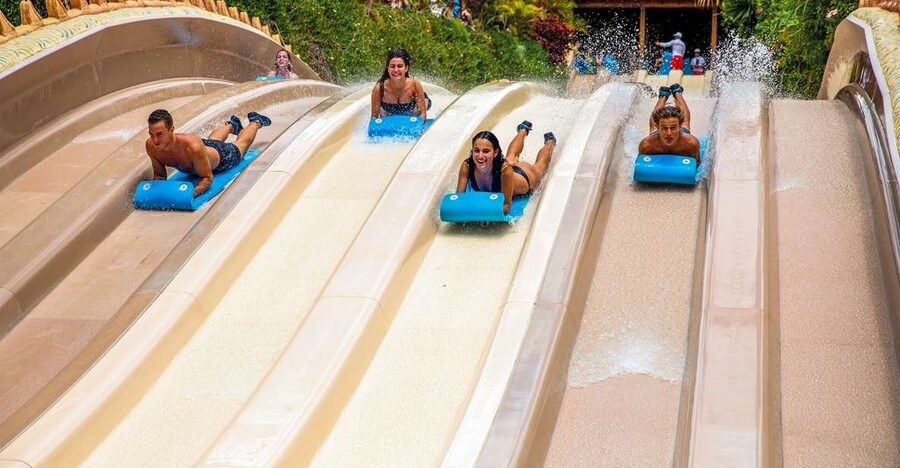
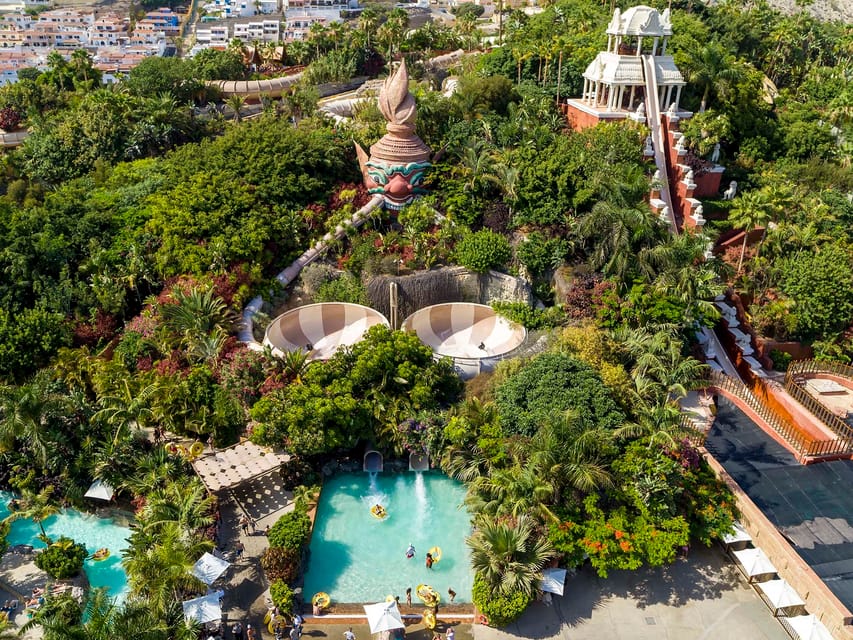
- Siam Park Entry Tickets★ 4.5 · 15,710 reviews
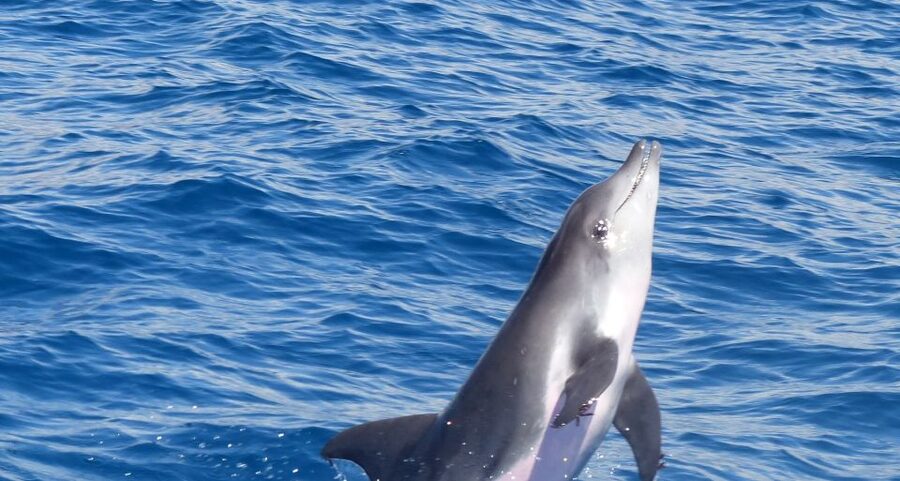
- Tenerife: Eco-Yacht Whale and Dolphin Watching and Swimming★ 4.7 · 15,619 reviews
- Los Cristianos Respectful No-Chase Whale and Dolphin Safari★ 4.6 · 12,782 reviews
Day 1: Video, Exam, and Confined Water Skills

Day 1 is the foundation. You start with a video that covers what you need to know about scuba, and that information is directly relevant to an exam you will take during the course. I like this approach because it gives you a clear target. You watch, you learn, then you prove you understand the basics.
Before you enter the water, your instructor also explains the essentials in a practical way. You get instruction on equipment and the safety procedures you will follow. That is not just theory. It is the checklist you will use the moment things get unfamiliar, like when you are learning to manage breathing and buoyancy underwater.
Then comes the confined water portion with your instructor. This is where you build control. Confined water settings let you practice the skills at a slower pace, with fewer variables than open water. It is also where you start to connect the dots between the classroom basics and what it feels like in real life. One of the most common first-course moments is that initial feeling of breathing and moving under the surface, and this is where that clicks.
If you need reassurance, the reviews are pretty consistent: students felt safe while learning the steps slowly and clearly. In one example, Marcin was praised as professional and patient, which is exactly the kind of trait that helps on Day 1 when your brain is still processing a lot.
Day 2 and Day 3: Four Open-Water Training Sessions

The next two days focus on open-water training, with a total of four open-water sessions. These are not random sightseeing outings. They include exercises, so you keep practicing skills while you start exploring the aquatic world.
I like the structure here. After confined water practice, you already have the mechanics in your hands. Now you can transfer that to a real setting. That transfer is where many new students either gain confidence fast or struggle. A good instructor helps you stay calm, remember the safety steps, and work on technique instead of panic.
The course description also emphasizes that you will start exploring and performing exercises during those sessions, and that the instructors stay focused on safety while keeping the experience fun. That balance is important. If the energy is too strict, you might get tense. If it is too relaxed, you might miss key details. The best learning feels both controlled and enjoyable.
What the Course Teaches You (Beyond the Checklist)

PADI Open Water is often seen as a “certificate program,” but what you actually want is competence. This course aims to teach you the fundamentals so you can later enjoy independent certification dives up to 18 meters, wherever you travel.
That depth limit matters for your real-world plans. It is not about testing you for the sake of a certificate. It gives you a clear boundary. And if you understand how to stay within it while following procedures, you can plan trips with less guesswork.
You also learn the safety procedures and equipment handling that make those future trips feel manageable. Even if you only think about your first week as a goal, the skills taught here become your baseline for the next stages of scuba.
One small but meaningful detail: the video content is used for the exam. That signals that the course is not improvising. It is structured and designed to test knowledge, not just endurance.
Instructors and Language Options: Comfort Counts

Your instructor can make or break a first scuba course. The good news is that this provider offers multiple languages, including Spanish, Bulgarian, English, French, German, Polish, and Russian.
Even more important, students praised how instructors met them where they were. One review specifically mentioned Thomas teaching in the students’ own language, and another highlighted Marcin being very patient and step-by-step. When you are learning buoyancy, breathing control, and safety rules, clarity is everything. If explanations land in the language you think in, you absorb faster and feel less overwhelmed.
From a practical angle, here is what that means for you: if you want to understand everything without mental translation, choose a language you are comfortable with. If you do not see your language on the list, you might still be able to work something out, but the only reliable options explicitly listed are the languages above.
Equipment, Insurance, and the Real Meaning of Included Price

At $465 per person, the headline number looks reasonable for a 3-day certification course, but what makes it feel like solid value is what is included. You get:
- Course instruction
- Insurance
- Equipment
- Instructor time
- PADI registration fee
That matters because first-time scuba students often underestimate how much those add-ons cost when booked separately. Getting them bundled usually means fewer surprises and less stress.
What is not included is also important. Food and drinks are not part of the package, so you need to plan your day around meals. Some students might be fine grabbing lunch near the training area, but you still want to avoid showing up hungry or dehydrated, especially on a long instructional day.
Also note: pickup and local transport can add cost depending on where you stay. More on that next.
Pickup Zones on Tenerife, Plus What You Must Bring

Transportation is where your day can either glide or get messy. Here is the clean way to think about it.
Pickup is included if you stay in the South of Tenerife between Callao Salvaje and El Medano. You are picked up at the reception of your hotel, and that coverage is clearly spelled out for that zone.
For areas outside that included band, extra pickup costs are listed. For example, the information provides specific fees tied to places like Los Gigantes and El Medano by car, plus Golf del Sur. If you are unsure, it is worth checking your exact pickup location before the day starts so you can budget and avoid last-minute friction.
What to bring is simple: a towel.
And keep the rules straight: alcohol and drugs are not allowed. That is not just a rule for paperwork. It is a safety requirement for training.
Logistics on a 3-Day Schedule: How to Plan Your Trip

A three-day certification is short enough to fit into a vacation, but it is still intense. You are learning a new set of skills, taking an exam, and then practicing repeatedly across several underwater sessions.
So plan your first full day as a learning day, not a party day. You will be tired. Your brain will be working hard on new procedures and muscle memory. If your schedule includes long transfers on the same day, you might feel it.
Also plan your expectations for the end of the course. You do not just get a card. You get the start of your independent certification process. That means you can plan future trips with the right kind of depth and safety awareness, up to the limits your certification allows.
One more practical note based on student feedback: some people mentioned doing an extra underwater outing after the course with a discount at a special location. That is not something to count on blindly, but it suggests there may be opportunities to keep the momentum going once you are certified.
Price vs Value: Is $465 a Good Deal for This Course?

For $465 per person, you are getting a real, structured first certification course across three days, with equipment, insurance, and the PADI registration fee included. That bundled structure is the key. If you were to price those items separately, the total usually climbs fast.
The “value” question really comes down to your situation:
- If you are traveling light and want gear and insurance handled for you, this package looks strong.
- If you live nearby and can keep your own transport simple, the pickup math becomes less important.
- If your hotel is outside the included pickup zone, the additional transport fees can nudge the effective total.
In other words, $465 is a fair starting point, and the final value depends mostly on your pickup location and your food plans.
Who Should Book This Course in Tenerife?
This course is best for people who want structure and safety. If you like clear steps, a course plan that starts with knowledge then moves into skills is a good match.
It is also a good fit if you want multilingual instruction. With options including Spanish, English, French, German, Polish, Russian, and Bulgarian, you have a decent chance to learn in the language you feel most comfortable using.
The age requirement is minimum 10 years old. It is not suitable for children under 10.
The Small Stuff That Can Make It Better
These are the habits that tend to make a short certification course feel smoother:
- Show up with a towel, and do not treat it as optional
- Avoid alcohol on training days, and keep your schedule clean
- Be ready for an exam component tied to the video content
- Treat the first day as the learning phase, not a rush to finish
From the reviews, the most praised aspects were the thoroughness, the safety feeling, and the instructor patience. When your training environment is calm and controlled, you learn faster and enjoy it more.
Should You Book This 3-Day PADI Open Water Course?
If you want a first scuba certification that is organized, safety-first, and taught with clear structure, this is a strong option. The best reasons to book are the included gear, insurance, and PADI registration fee, plus the focus on skills progression from confined water into four open-water sessions.
I would book it if you are happy to bring a towel, plan for meals and drinks on your own, and you are staying within or near the pickup coverage zone. If your hotel is outside Callao Salvaje to El Medano, double-check the pickup costs so the final price feels right.
If you want a quick win with real training, not guesswork, this three-day course in Tenerife is a practical way to start your scuba journey.
FAQ
What is the duration of the PADI Open Water course?
It runs for 3 days.
What does the $465 per person price include?
The package includes the course, insurance, equipment, an instructor, and the PADI registration fee.
Are food and drinks included?
No, food and drinks are not included.
Is pickup included from Tenerife hotels?
Pickup is included for the South of Tenerife from Callao Salvaje to El Medano, with pickup at the hotel reception. Extra pickup fees are listed for some other areas.
How long is the first day focused on learning before water practice?
You start with a video and an exam and then receive instruction on equipment and safety procedures before you do confined water skills.
What will you do during the last two days?
You do four open-water training sessions where you perform exercises and begin exploring the aquatic world.
What languages are available for the instructor?
The instructor languages listed are Spanish, Bulgarian, English, French, German, Polish, and Russian.
What do I need to bring, and what is not allowed?
Bring a towel. Alcohol and drugs are not allowed.
More Tour Reviews in Tenerife
- Siam Park Entry Tickets
★ 4.5 · 15,710 reviews - Tenerife: Eco-Yacht Whale and Dolphin Watching and Swimming
★ 4.7 · 15,619 reviews - Los Cristianos Respectful No-Chase Whale and Dolphin Safari
★ 4.6 · 12,782 reviews - Tenerife: Loro Parque Entry Ticket
★ 4.8 · 12,411 reviews - Loro Parque and Siam Park Combined Admission Tickets
★ 4.7 · 7,307 reviews