Reviewed · TENERIFE
Tenerife : clases de surf para principiantes y intermedios
Tenerife surf lessons feel surprisingly doable. I like that this one mixes real coaching with time in the water, starting from a simple plan you can follow even if you are brand new. You get a 30 minute theory intro, then you head into Playa de Las Americas as a group with an instructor staying close and helping with wave timing and corrections.
Two things I especially like: the small group size (max 6) and the hands-on instruction that focuses on getting your first successful rides, not just paddling around. The main drawback to consider is that this is an extreme sport and you need moderate fitness, plus it is not suitable for certain health situations and anyone who cannot swim well.
Key things to know before you go

- Small group, up to 6 people: more attention, less waiting, better odds of standing up
- 30 minutes of theory before the ocean: you get safety basics and practical technique cues
- Instructor stays close in the water: correction and encouragement happen right when you need it
- Full equipment included: wetsuit, board, and booties are provided
- Optional professional photos: you can buy picture sets after the session
- South Tenerife at Playa de Las Americas: a famous surfing spot with the right vibe for meeting people
Playa de Las Americas: why this location matters

This lesson is based in the south of Tenerife, where Playa de Las Americas has a well established surf scene. That matters for you because you are not learning in some random corner where waves, access, and logistics feel confusing. Here, the whole setup feels tuned for surf days, and you spend your time on the important part, the ocean.
You meet at Surf Market Volcano surf school, next to the bar. The school is in Parque Santiago 2, so it is in an area where it is usually easier to find your way than if you were dropped far off the main hotel zone. Plan to handle your own way to the meeting point, since transfers are not included.
Not decided yet? A few island trips worth setting next to this one.
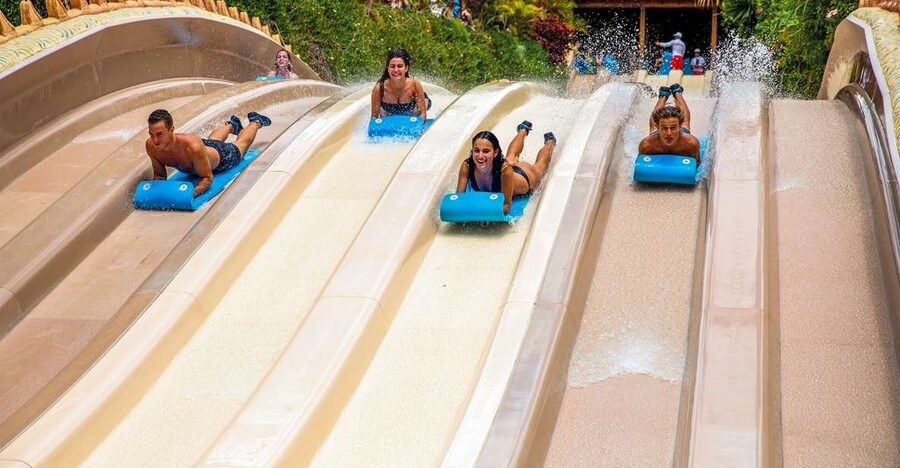
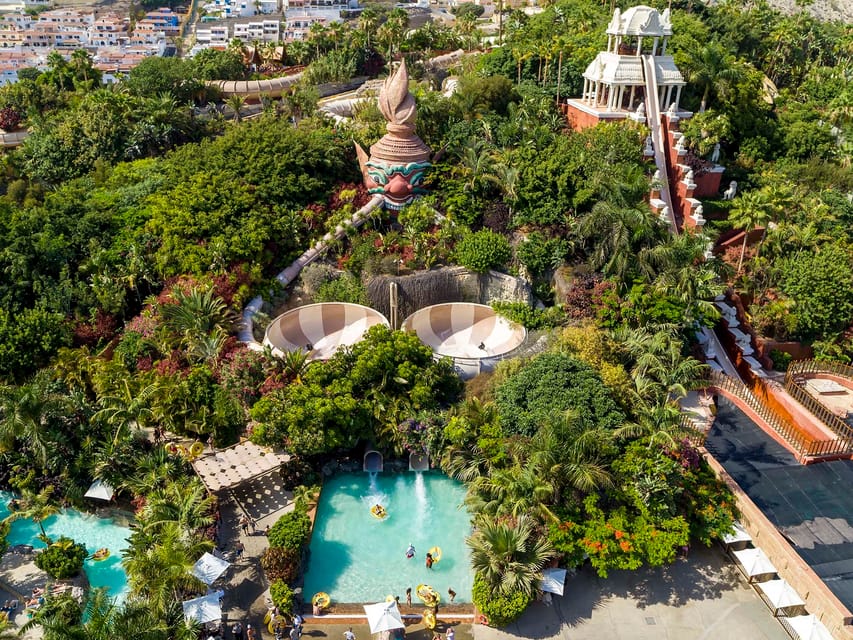
- Siam Park Entry Tickets★ 4.5 · 15,710 reviews
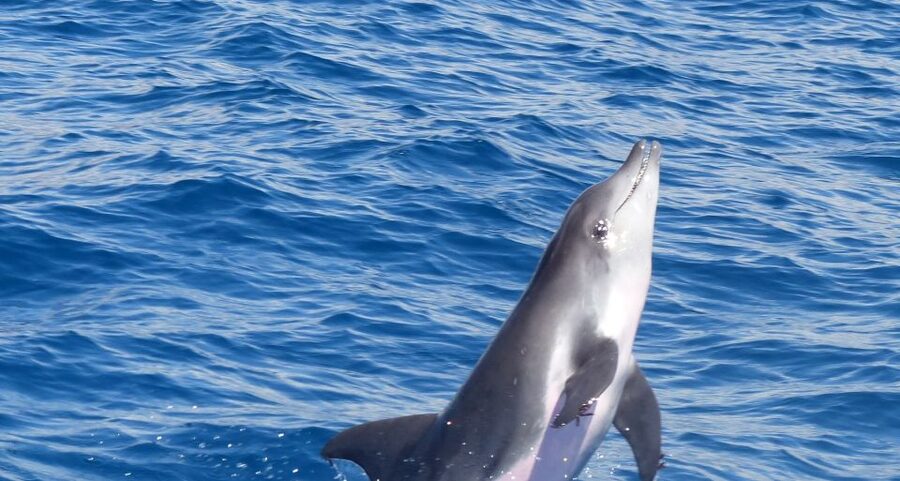
- Tenerife: Eco-Yacht Whale and Dolphin Watching and Swimming★ 4.7 · 15,619 reviews
- Los Cristianos Respectful No-Chase Whale and Dolphin Safari★ 4.6 · 12,782 reviews
The first 30 minutes: theory that actually helps in the water

Before anyone touches the surfboard, you do about 30 minutes of theory. I like this because it turns surfing from a guessing game into a set of steps you can run through when you get nervous. You also learn how to enter the water safely, which is a big deal when you are new and you do not yet know how currents, timing, and board control work.
In practical terms, the early instruction sets you up for three moments you will repeat during the session:
1) how to approach the line of waves without panicking
2) how to get into the right position to paddle and catch something
3) how to respond when a wave does not go your way
It is also one of the reasons this works for beginners and for people who want to improve. The coaching can focus on fundamentals first, then tweak timing and technique once you are already comfortable in the water.
Getting geared up: wetsuit, board, and the little comforts

Surf schools can make or break the experience with gear. In this one, you get full equipment: wetsuit, board, and boots (booties). That saves you the hassle of renting or guessing sizing right before your lesson. The wetsuit also helps because you are out on the water longer than you might expect, and you want to stay warm enough to focus.
What you should bring:
- swimwear (under the wetsuit)
- your own towel (towel is not included)
- sunscreen (sunscreen is not included)
- flip-flops and beachwear for before and after
- cash or credit card, if you want any extras like photo purchases
You might also want a practical note from the vibe of the group experience: it is usually easier to change without rushing if you arrive ready to go and not hunting for a towel at the last second.
Instructor support in the waves, not on the beach

Once the theory is done, you all go into the water together. The instructor stays close the whole time. For beginners, this is huge. You get help catching waves, and you get corrections when something is off with your position or timing.
From the experience notes I saw around this school, the strongest praise is about atmosphere and guidance. I noticed a recurring mention of an instructor named Israel, praised for teaching quickly and keeping the mood positive. One learner highlighted how Israel helped kids learn fast, and another described a supportive vibe where everyone felt looked after, not pushed into overwhelm.
The small group size (up to 6, and sometimes even smaller) helps here too. With fewer people competing for attention, the instructor can watch what you are doing and adjust coaching in real time. When you are learning to stand, real feedback beats generic advice every time.
Standing up, then improving: what your “2 hours” really feels like

Two hours on a surfboard sounds short until you remember two things: you are learning balance under physical stress, and ocean conditions shift. So yes, you might feel like you want more time once you get a handle on it. That is a common learning curve.
I also like that the school can adapt the session if everyone agrees. In the experience notes, there was an example where wave conditions were not great at first, and the guide checked with the group about extending the lesson. If you feel you are progressing and the group is on board, you may get more practice time than the strict headline duration.
If you are totally new, your goal should be simple:
- paddle without losing your rhythm
- catch at least a few waves
- get comfortable standing attempts, even if your first rides are short
If you are intermediate, you can focus on cleaner takeoffs, better positioning, and timing adjustments. The instructor can tailor corrections based on what you are already trying to do.
After the waves: changing, chatting, and optional photos

When the water time ends, you head back to the school to leave your equipment and change clothes. This part is surprisingly useful. You are not just thrown back into your day. You also comment on what you felt in the water, which can turn the session from random chaos into clear takeaways for next time.
Water and fresh fruit are included after the lesson. That is practical, and it helps you avoid the classic vacation pattern where you spend the rest of the day low-energy and dehydrated.
You can also buy personal pictures taken by a professional photographer. If you want footage for your own technique review, you might consider bringing an action camera. One note suggested that the lesson feels better remembered with your own recording, since you are not automatically getting a full set of photos included.
Price and value: what $38 gets you in Tenerife

At about $38 per person for a 2 hour lesson, the value is mostly about what is included. You get:
- the lesson time (2 hours)
- full surf equipment (wetsuit, board, boots)
- a titled instructor
- civil and medical insurance
- water and fresh fruit
For me, the value stands out because you are paying for coaching plus equipment, not just for standing near a beach watching someone else teach. If you already own a board but not the rest, this still saves you rental and sizing stress.
Your only extra costs to watch:
- towel (not included)
- sunscreen (not included)
- any optional photo purchases
- getting to the meeting point yourself
Languages and group vibe: why it helps real beginners

The instructor team can teach in Spanish, Italian, English, and French. So you should be able to understand the lesson without struggling through surf jargon. For beginners, clear communication is the difference between trying something once and getting it to click.
The vibe in the group is a big part of the appeal. The idea is not just that you learn to surf, it is that you meet people from all over the world while doing it. Small groups make that easier because you are not stuck in a crowd of strangers. It also helps if you are traveling solo and want a structured social moment that still feels active.
Who should book, and who should skip it
This lesson is designed for beginners and intermediate surfers. That said, it is not for everyone, and the safety rules are clear.
It is not suitable for:
- children under 10
- pregnant women
- people with back problems
- non-swimmers
- people with a cold
- people with haemophilia
- people over 55
Also, since it is an extreme sport, plan on moderate fitness. If you are out of breath quickly or you are not comfortable doing physical work in cold-ish water, be cautious.
If you are the kind of person who likes hands-on learning, meeting new people, and getting outside right away, you will probably love it. If you want a lazy day with no exertion and no chance of frustration, this might feel too intense.
Practical packing list: don’t lose time at the waterline
Bring what the school requests, and you will walk in already ready:
- passport
- swimwear
- towel
- sunscreen
- flip-flops
- beachwear
- cash and or credit card
- anything you might want for comfort in between sessions
A few practical tips:
- Wear something you can rinse or remove quickly after.
- Keep sunscreen easy to access for after drying off.
- If you are prone to forgetting things, set a small checklist the night before. Surf lessons reward readiness.
Weather and wave conditions: your expectations should be flexible
Surf lessons depend on the day. Even with “good conditions,” waves can be inconsistent, and your timing on a first board ride will still take a few attempts. One note from the experience described not having great waves at the start, then improving with adjustments and an extended session by group agreement.
So treat the lesson like this:
- you are there to learn skills
- waves are the medium, not a guarantee
- if conditions are slower, your instructor still has a job to do, coaching, safety, and practice pacing
Should you book this beginner-to-intermediate surf lesson?
If you want an active Tenerife experience that is friendly for first-timers but still offers real improvement potential, this is a strong pick. The combination of small group coaching, included equipment, and an instructor staying close in the water makes it more likely you will stand up and actually learn something useful.
Book it if:
- you can swim and you are in decent physical shape
- you want clear instruction and a social, active day
- you do not want to figure out rentals or safety on your own
Skip it if:
- you cannot swim well
- you have health reasons listed as not suitable
- you are hoping for a gentle, low-effort activity
If you do book, pack a towel and sunscreen, show up ready to move, and be open to the idea that some days feel harder at first before the session clicks.
FAQ
How long is the surf lesson?
The duration is 2 hours.
What’s included in the price?
You get a 2 hour surf lesson, full equipment (wetsuit, board, and boots), a titled instructor, civil and medical insurance, and water plus fresh fruit after the lesson.
Where do I meet the surf school?
You meet at Surf Market Volcano surf school, next to the bar.
Do I need to bring a towel and sunscreen?
Yes. A towel is not included, and sunscreen is not included.
What equipment should I bring myself?
Bring swimwear, towel, sunscreen, flip-flops, beachwear, and your passport. The session includes the wetsuit, board, and boots.
What languages are offered for the instruction?
The instructor can teach in Spanish, Italian, English, and French.
Is this lesson suitable for kids?
It is not suitable for children under 10 years old.
More Tour Reviews in Tenerife
- Siam Park Entry Tickets
★ 4.5 · 15,710 reviews - Tenerife: Eco-Yacht Whale and Dolphin Watching and Swimming
★ 4.7 · 15,619 reviews - Los Cristianos Respectful No-Chase Whale and Dolphin Safari
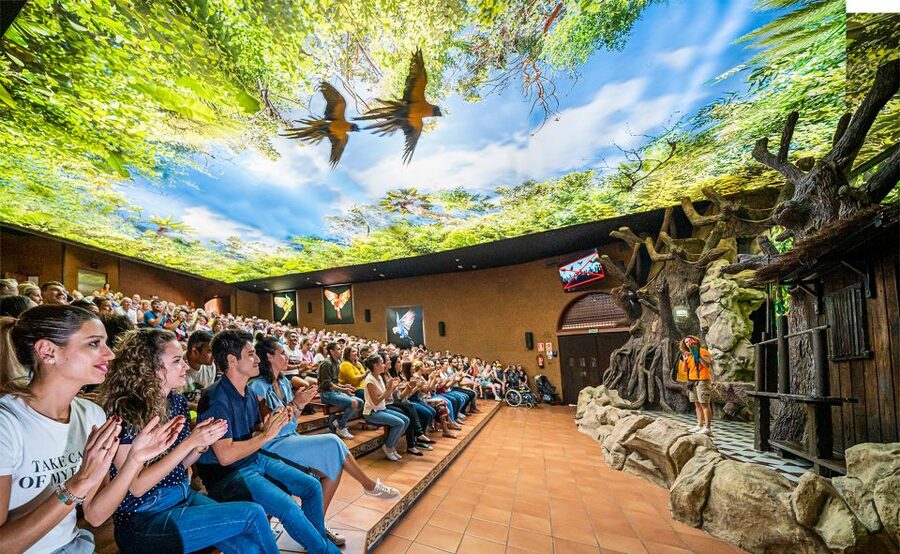
★ 4.6 · 12,782 reviews - Tenerife: Loro Parque Entry Ticket
★ 4.8 · 12,411 reviews - Loro Parque and Siam Park Combined Admission Tickets
★ 4.7 · 7,307 reviews