Reviewed · TENERIFE
PADI Open Water Diver Course
Three days can change how you see the sea. This PADI Open Water Diver course on Tenerife is built for small groups and hands-on coaching, with instructors like Juan guiding you from zero to certified. You get multiple underwater sessions at different local sites, so you are not stuck doing the same thing over and over.
I also like how practical the training is. You learn the theory basics, practice the required skills, then you walk away with a certification card that lets you arrange scuba gear and tank fills around the world.
The main drawback to plan for is weather. Your schedule depends on good conditions, so you need some flexibility in your trip days.
Key things you will notice
- Small groups and a calm pace, not a rushed assembly line
- Hotel pickup by request around Costa Adeje, plus drop-off back afterward
- All scuba equipment and PADI paperwork included, with course literature and a logbook
- Four practical skill sessions over about 3 days, starting with a trial
- Tenerife underwater variety with fish and sightings like sea turtles and rays mentioned by recent students
- Real coaching tips like early, gentle pressure equalization, plus packing advice for salt and hot, dirty shore setups
Ocean Trek in Costa Adeje: Pickup, Meeting Point, Small Ops

You start at the Ocean Trek center in Costa Adeje, on C. Valencia, 38660, Tenerife. The experience also uses a mobile ticket, so you are not juggling paper on vacation.
If you want pickup, you can request it, and the team covers transfers within a limited radius. The details list a maximum distance of 10 km for pickup, and separately describe pickup and drop-off in the area up to 20 km from the dive center, so I’d treat it as a “within your local area” kind of service.
This is a private setup for your group, which matters more than it sounds. With fewer people around, you get more time to ask questions and more attention during equipment checks and skill practice.
You are also being trained in English, which is handy if you want to understand every step clearly. If you prefer a specific language and have options, it is worth asking ahead, because at least one course participant did the Open Water Diver work in German too.
Not decided yet? A few island trips worth setting next to this one.
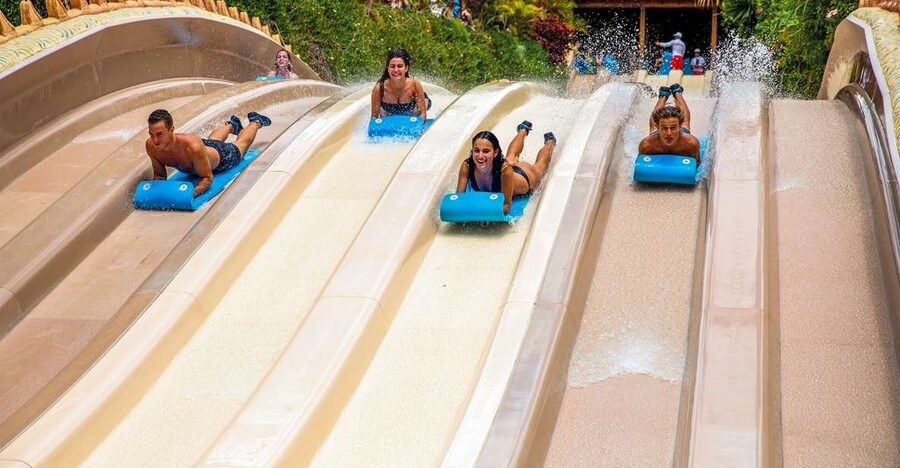
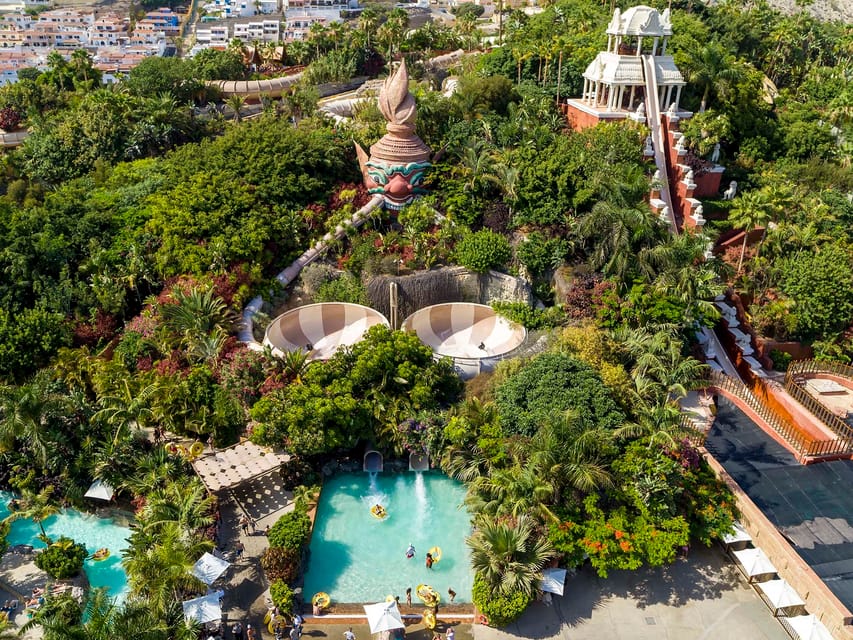
- Siam Park Entry Tickets★ 4.5 · 15,710 reviews
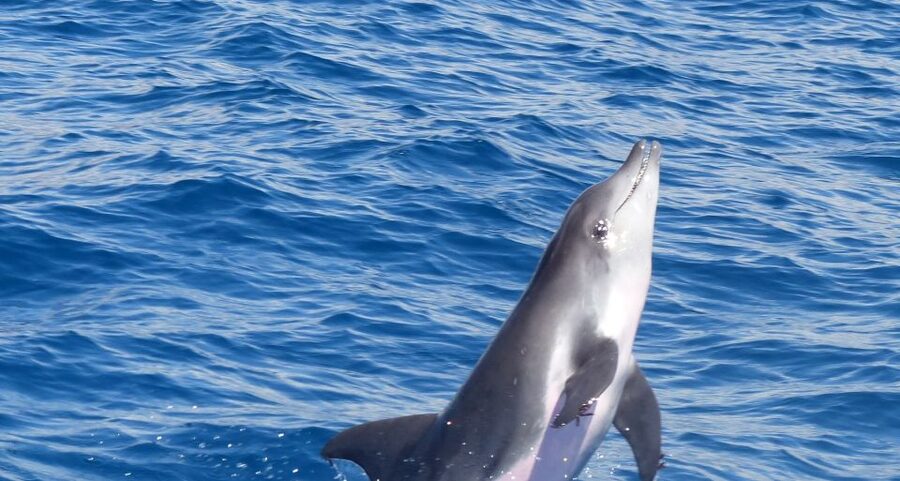
- Tenerife: Eco-Yacht Whale and Dolphin Watching and Swimming★ 4.7 · 15,619 reviews
- Los Cristianos Respectful No-Chase Whale and Dolphin Safari★ 4.6 · 12,782 reviews
Your 3 Days for PADI Open Water Diver: From Theory to First Skills
The course runs for about 3 days. You will learn the theoretical and practical basics in a small-group format, then you do repeated underwater sessions over the course.
On the theory side, you cover the essentials you need to understand how scuba works and how to handle your responsibilities underwater. You also receive course literature, and you keep things organized with a logbook.
Then the practical part kicks in. The training structure you can expect is a trial session plus additional skill practice in relatively shallow water, spread across the days. One review described 4 dives total for the Open Water Diver course, and the overall pace matched the idea of doing training that stays controlled and teachable.
A key detail is that lunch is not included. That affects timing, because you may be out for a chunk of the morning or afternoon depending on when you fit the underwater sessions in.
If you are doing a morning session, I’d plan that you might not be back at your hotel before early afternoon. One learner noted returning after 2 pm, so build breathing room into the rest of your day.
Coaching Style and Instructor Lineup: Juan, Gerhard, Manuel, and Team

The coaching here is a big part of why the ratings are so high. Multiple learners emphasized that the instructors stay calm and step you through the skills carefully, with clear explanations and safe progression.
Juan is repeatedly named as a standout instructor. People describe him as taking beginners from first-time anxiety to actual confidence, at a pace that feels controlled instead of chaotic. Gerhard also shows up in the stories as the driving force behind the operation, with the team feeling tightly run.
Manuel is specifically mentioned as the instructor leading one learner during the skills practice phase, with a strong focus on mentoring. You also see a wider team name list, including Gema, Ryan, Maria, Sean, Nelly, and Pauli, which suggests a full support crew behind the scenes.
What I like about this teaching approach is that it matches how most first-timers learn. You typically see a skill demonstrated, then you try it, then you refine it until it becomes muscle memory. That is exactly what the reviews describe in plain terms.
Also, the operation is described as small in-water at any given time, with some comments saying group sizes were around max 4 people. That is ideal for beginners because you are not waiting in line for coaching, you are working with your instructor while the group stays tight.
The Underwater Skills You’ll Master, and Common Tricky Moments
Your goal is PADI Open Water Diver certification, which means you learn core skills that you can use again later. The course is built around practical repetition, not just watching and hoping it clicks.
From the feedback, the training focuses on things like buoyancy control and comfort. One learner was praised for buoyancy right away, while another mentioned that they had a great deal of time to build it properly. That matters because buoyancy is what helps you stay relaxed, protect the environment, and actually enjoy the experience.
Another very practical area is pressure equalization. Here is the kind of advice you should take seriously during training, because it can prevent ear pain:
- Equalize early as soon as you feel pressure starting, and do it gently.
- If you already feel a lot of pressure, go back slightly and equalize again before continuing.
- Avoid forcing equalization with big, aggressive pressure changes, and keep it slow.
One learner also emphasized that there is enough time to equalize, and that rushing it tends to create discomfort later in the course.
Physical strain can sneak up too. Someone shared a small but real tip about not overworking calf muscles, since cramps are more likely when you tense up during early skill sessions.
Finally, for comfort between sessions, it helps to be ready for a beach or shore setup that is not always pristine. The instruction includes equipment use and repeated entry, so your comfort on land matters more than you might expect.
Marine Life on Tenerife: Volcanic Water and Real Animal Encounters

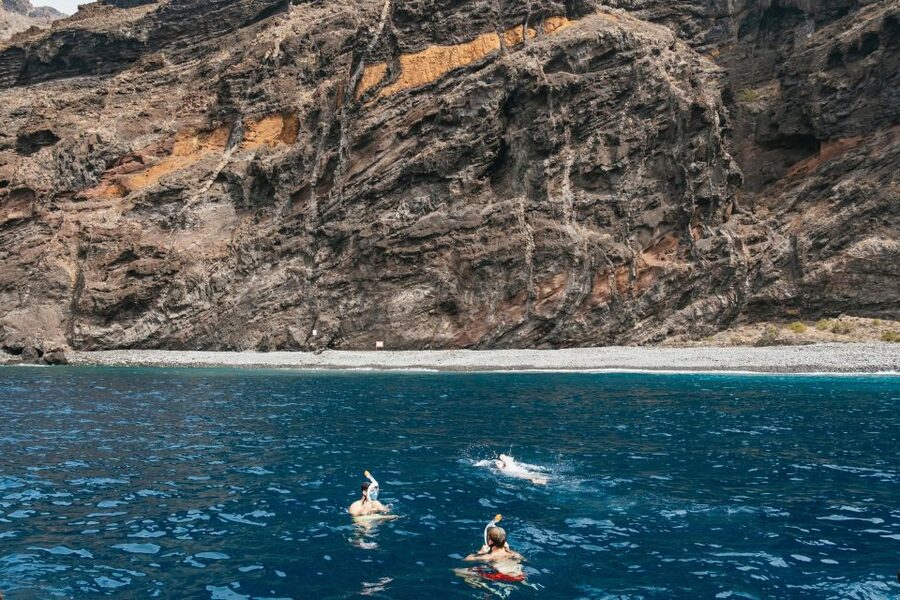
You are not just learning neutral skills in the abstract. You also get to see Tenerife’s underwater world across different nearby sites.
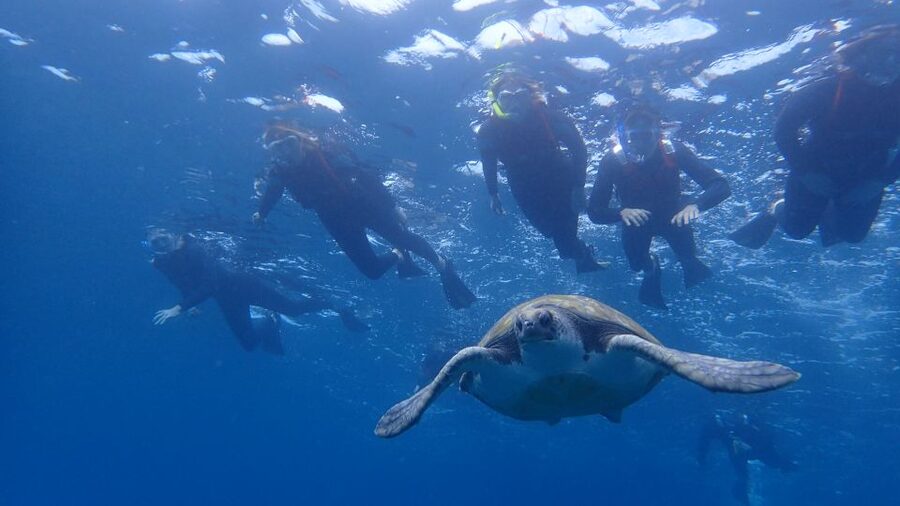
The course description calls out a volcanic underwater world, and the species list people mention is specific. Expect fish, and in some sessions you might be in the same area as creatures like sea turtles and rays.
Cuttlefish and octopus are both mentioned. Stingray and barracudas also show up in the learning stories, along with sightings like sepia, octopus, sea turtle, stingray, baracudas, and even a type of larger fish that a learner wrote as moraine.
What’s valuable for you here is that the course gives you a structure to look around without losing focus on technique. A good instructor will keep you stable and teach you where to place your attention, so sightseeing does not turn into sloppy buoyancy.
And because the underwater sessions happen multiple times during the course, you get more chances to spot something interesting instead of crossing your fingers for one perfect moment.
Gear, Timing, and Packing List that Saves You from Salt and Ear Pain

Good gear removes stress. Ocean Trek provides full scuba equipment, plus course literature and bottled water. That means you can travel light without hunting down rentals before you arrive.
You still need to show up with the right basics for comfort. Based on real advice from a learner, bring dry clothes, because saltwater and damp gear happen fast. A dressing-room poncho can be worth it when you are changing in awkward spots.
Also bring a small extra towel for your feet. One learner said the car covers can get salt edges, so having something to protect yourself during transitions helps keep things practical and less messy.
Terrain on shore can be hot and dirty, so plan on that as part of the day. If you are thinking, I’ll just wear whatever, that’s how you end up miserable for the rest of the afternoon.
Timing is another practical piece. Because the training includes repeated in-water sessions, your day can run long even if you are only there for a few hours on paper. If you like to schedule restaurants, boat tours, or day trips, keep your schedule flexible.
Finally, if you are sensitive to pressure or you know you have trouble equalizing, mention it early. The training is built around pressure equalization practice, and getting guidance at the start reduces the odds of turning the course into an ear-pain marathon.
Is $792.16 Good Value for This Certification Course?
At $792.16 per person, the first question is what you are actually buying. In this package, you get hotel pickup and drop-off in the service area, full scuba equipment, course literature, a logbook, and PADI license fees included. Bottled water is also included.
What is not included is lunch. That is the one obvious cost gap to plan for, especially if you are not staying right next to the pickup zone.
The value also comes from the operation size. A small-group format with calm instruction means less wasted time and fewer bottlenecks. For a first certification, that is not a luxury. It can be the difference between learning smoothly and feeling overwhelmed.
Another value point is the equipment quality and readiness. One learner specifically praised the gear as technically flawless and said any issues were solved quickly. That translates to fewer interruptions during skill practice, and faster progress.
And you are leaving with more than a badge. The course description states that after certification you are entitled to go scuba independently worldwide, rent diving equipment, and have scuba tanks filled. Even if you do not plan a long list of future trips, that certification can turn into future underwater outings without starting from scratch.
Should You Book Ocean Trek in Tenerife?

I’d book if you want a beginner-friendly Open Water Diver course with small-group attention, clear coaching, and a real focus on comfort and technique. The lineup of instructors mentioned, including Juan, Gerhard, and Manuel, plus the calmer pace described by learners, makes it a strong fit for first-timers.
I would think twice if your trip schedule is tight with zero flexibility. Weather can affect whether you run sessions on the planned day, and the training can run long enough that you may return after your morning plans.
If you want an easy-to-understand, structured start to scuba in Tenerife, Ocean Trek is a sensible choice. You will likely spend your days learning skills, then looking around at Tenerife’s underwater life, and you will come home with a certification that you can actually use.
FAQ
What is the location for this PADI Open Water Diver course?
The course is in Tenerife, Spain, with the meeting point at Ocean Trek in Costa Adeje (C. Valencia, 38660).
How long does the course take?
It runs for about 3 days (approx.).
Is the course offered in English?
Yes, it is offered in English.
What is included in the price?
Included are pickup and drop-off within the stated area, full scuba equipment, course literature, a logbook, PADI license fees, and bottled water.
Is lunch included?
No, lunch is not included.
Do you offer hotel pickup?
Pickup is offered by request, with a stated pickup distance limit for the pickup area.
What is the minimum age?
The minimum age is 10 years.
Do I need special health requirements?
You should be in reasonable state of health for scuba instruction and have a moderate physical fitness level.
Is this a private group activity?
Yes, it is listed as a private tour or activity, with only your group participating.
What happens if weather is bad?
This experience requires good weather. If it is canceled due to poor weather, you will be offered a different date or a full refund.
If you want, tell me your travel dates and whether you prefer morning or afternoon plans. I can help you think through what to schedule around a 3-day course.
More Tour Reviews in Tenerife
- Siam Park Entry Tickets
★ 4.5 · 15,710 reviews - Tenerife: Eco-Yacht Whale and Dolphin Watching and Swimming
★ 4.7 · 15,619 reviews - Los Cristianos Respectful No-Chase Whale and Dolphin Safari
★ 4.6 · 12,782 reviews - Tenerife: Loro Parque Entry Ticket
★ 4.8 · 12,411 reviews - Loro Parque and Siam Park Combined Admission Tickets
★ 4.7 · 7,307 reviews