
Reviewed · WHALE & DOLPHIN WATCHING
Costa Adeje: Whale Watching Eco Experience with Hydrophone.
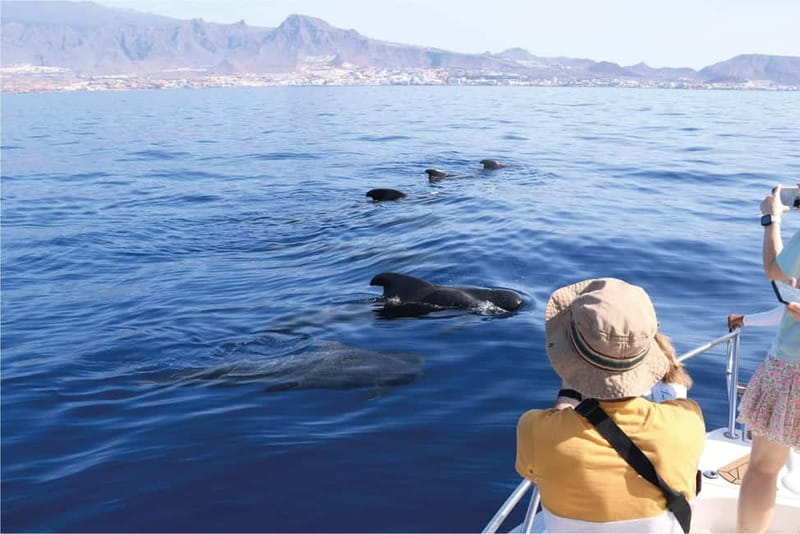
Whales sound better than you think. This Costa Adeje outing lets you watch cetaceans and also listen with a hydrophone in Europe’s only whale sanctuary. You get close, careful observation from a boat run with environmental awareness, not a loud, fast sightseeing vibe.
I love the hydrophone part, because it turns whales and dolphins into something you can actually hear, not just spot. I also love the small, attentive setup, with a biologist on board and a maximum of ten passengers so the crew can focus on conservation and correct animal behavior.
One thing to consider is that this is wildlife watching, so the experience depends on what animals are doing that day. Expect a calm pace with quiet moments, including times when the boat’s engines are fully turned off to avoid disturbing marine life.
Key highlights you will feel on the water
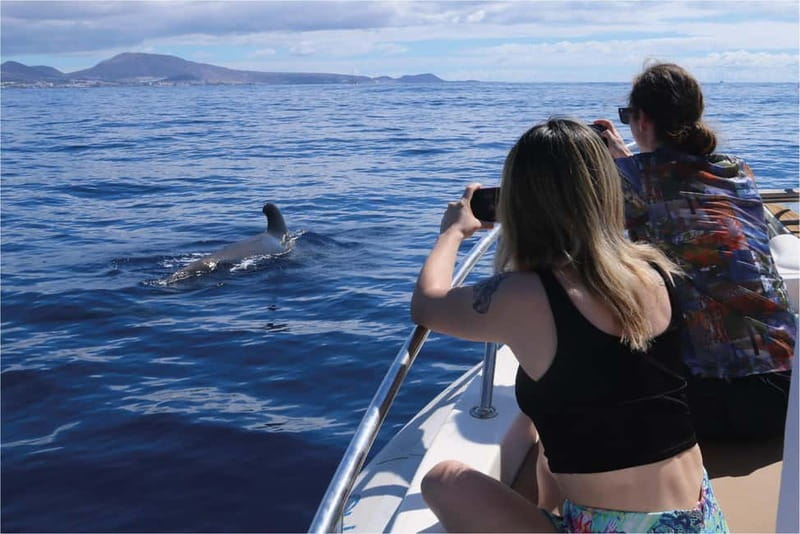
- Hydrophone listening during sightings, to hear whale and dolphin communication and hunting sounds
- Europe’s only whale sanctuary setting on the south coast of Tenerife for authentic encounters
- Motors off during animal viewing, plus safe distance rules to protect natural behavior
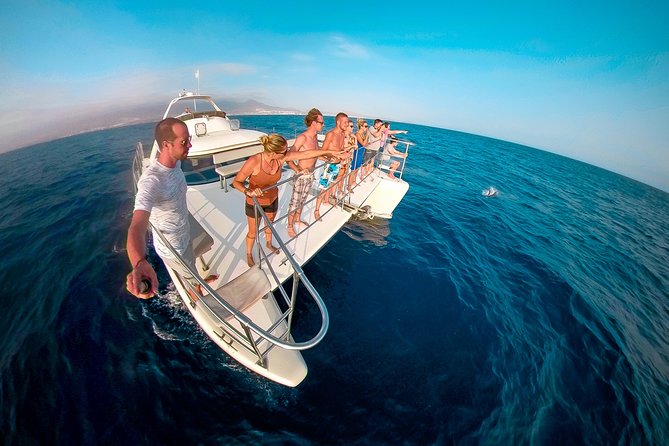
- Small-group format on the Papacho 2, with a biologist explaining fauna and conservation keys
- Conservation in action, including rescue participation for injured marine animals
- Research support through photo-identification of pilot whales in the Canary Islands
Costa Adeje and Europe’s only whale sanctuary setting
Costa Adeje is on Tenerife’s south coast, and this trip operates in a protected area described as Europe’s only whale sanctuary. That matters because sanctuaries are where rules, distance, and quiet behavior become part of everyday practice, not just a nice promise.
What you get is an atmosphere that feels more like careful wildlife work than a checklist. You’re there for respectful contact with the marine world, including cetaceans and other animals you might spot around them, like turtles and seabirds.
Also, the sanctuary angle helps explain the focus on listening, not just looking. When you’re in a protected environment, you can pay closer attention to how animals actually use the space and communicate. That makes the hydrophone feel less like a gadget and more like the missing half of the story.
More chances to meet Tenerife wildlife at sea
- Tenerife: Eco-Yacht Whale and Dolphin Watching and Swimming★ 4.7 · 15,619 reviews
- Los Cristianos Respectful No-Chase Whale and Dolphin Safari★ 4.6 · 12,782 reviews
- Costa Adeje: Whale & Dolphin Eco-Cruise with Snacks & Drinks★ 4.6 · 5,096 reviews
Papacho 2 and a biologist-led small-group setup
This experience runs on a boat called Papacho 2. The key detail for your comfort is that it carries a maximum of ten passengers, which keeps things from turning into a crowded cattle car on the water.
Once you meet up and set off at the agreed time, you’re not left to guess what you’re seeing. A biologist is on board and explains what kind of fauna you may encounter and the conservation basics that go with it. That changes the tone of the whole outing. You stop watching like it’s a show, and start watching like you understand what the animals are likely doing.
You also get drinks on board. That sounds minor, but on a 2.5-hour seaworthy outing, small comfort beats big distractions. It keeps you settled, ready to focus, and able to wait calmly for the next sighting instead of feeling rushed.
Hydrophone listening: catching whale and dolphin sounds
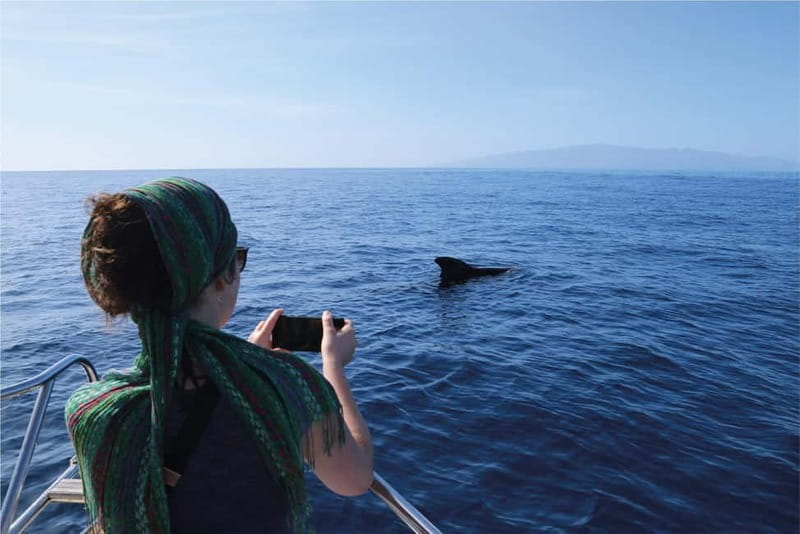
The headline feature here is the hydrophone. During sightings, the crew launches it so you can listen to the sounds whales and dolphins use for communication or hunting. For many people, this is the most memorable shift: you go from silent visual spotting to sound-led awareness.
Why that’s valuable is simple. Underwater life is mostly about acoustics. Even if the animals are visible, their behavior often makes more sense when you hear the communication or the patterns tied to feeding. The hydrophone gives you a direct sensory layer, so your brain has more to work with than sight alone.
The timing also matters. The hydrophone is used during the viewing moments, not as a random demo. That means you can connect what you hear to what’s happening on the water, even if conditions change. You also benefit from the boat going quieter, because the tour description specifically notes engines are fully turned off during sightings, which reduces extra noise.
Engines off, safe distance, and how sightings stay natural
This trip is built around one rule that you’ll feel immediately: during the sighting, the boat’s engines are completely turned off to avoid disturbing marine life. That is not just a comfort preference, it’s a wildlife ethics decision. Less noise and vibration helps animals keep doing what they were already doing.
The crew also approaches different groups of cetaceans, turtles, and seabirds while respecting space and without interfering with natural behavior. In plain terms, you’re not meant to chase or corner animals. You observe, interpret, and let their movement decide the rhythm.
That approach tends to create better encounters for you for two reasons. First, animals are more likely to stay active and visible when you’re not pushing the situation. Second, the experience becomes more about observation and less about feeling like you’re battling the sea for a photo.
More easy starts from Costa Adeje
Which animals you might spot, including pilot whales
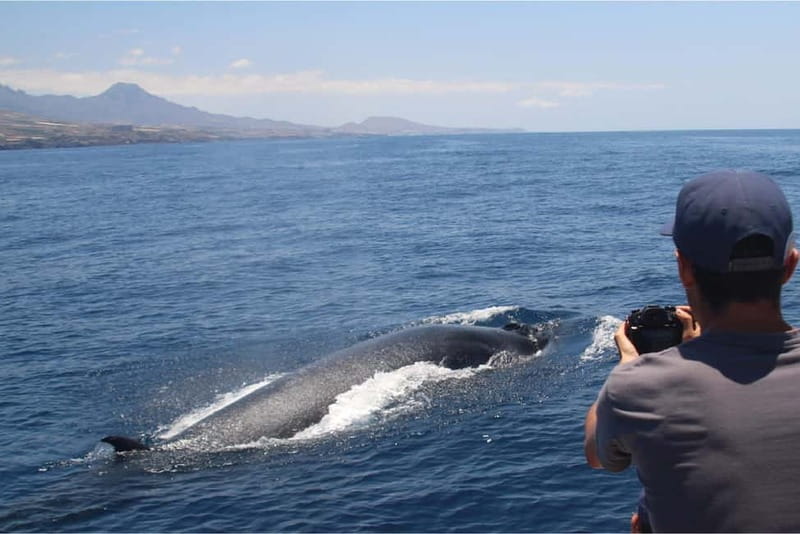
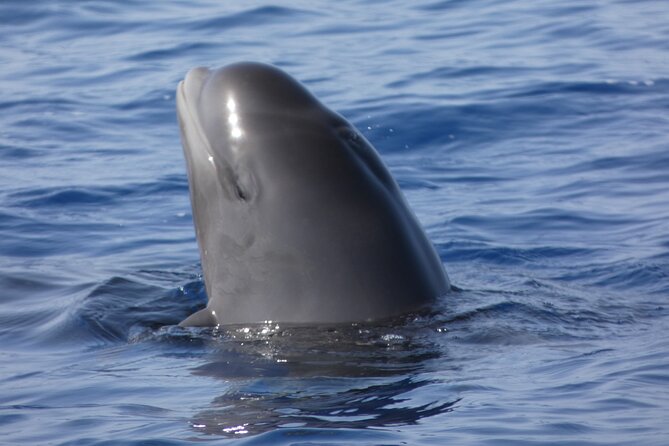
The tour is set up for cetaceans first, with additional wildlife you might see around them. The activity description includes cetaceans, turtles, and seabirds as possible sightings, so the outing is designed as a wildlife loop rather than a single-species hunt.
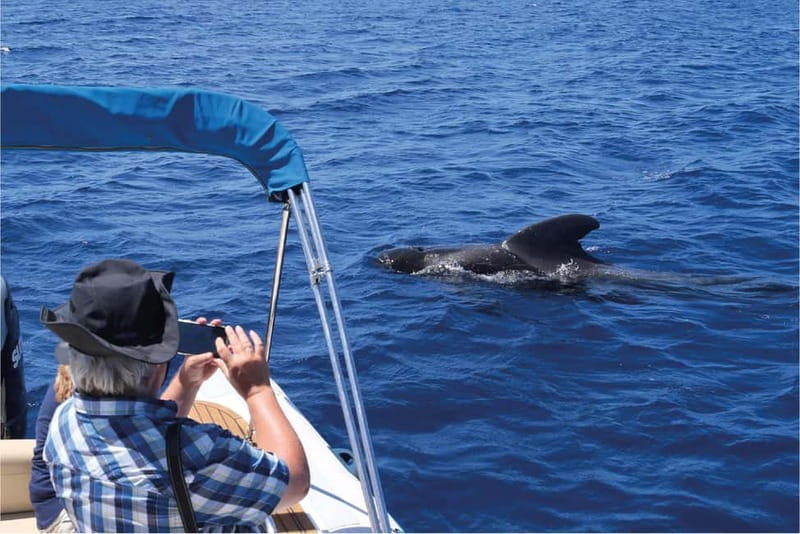
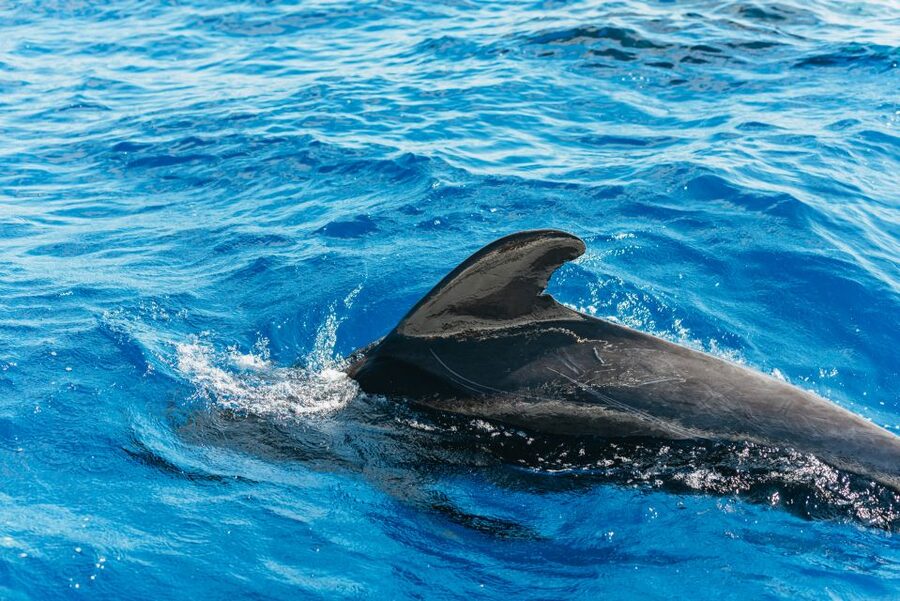
Pilot whales show up strongly in the experience context. The tour provider collaborates in a photo-identification catalog of pilot whales in the Canary Islands. That tells you pilot whales are part of their working knowledge and likely a common focus during outings.
From the practical side, your best strategy is to keep your eyes on the water surface while also listening when the hydrophone comes out. Whales and dolphins can appear briefly, then move. The small-group format helps here because the crew can explain what to look for, and you’re not stuck watching from behind tall heads and shifting bodies.
You may also notice how the crew talks about behavior. The goal is not only to say you saw whales, but to help you understand the signals behind what you’re seeing. That makes the trip feel more educational and less generic, even though you are clearly out there to enjoy the wildlife.
Sustainability and rescue work: ACEST, research, and rehab
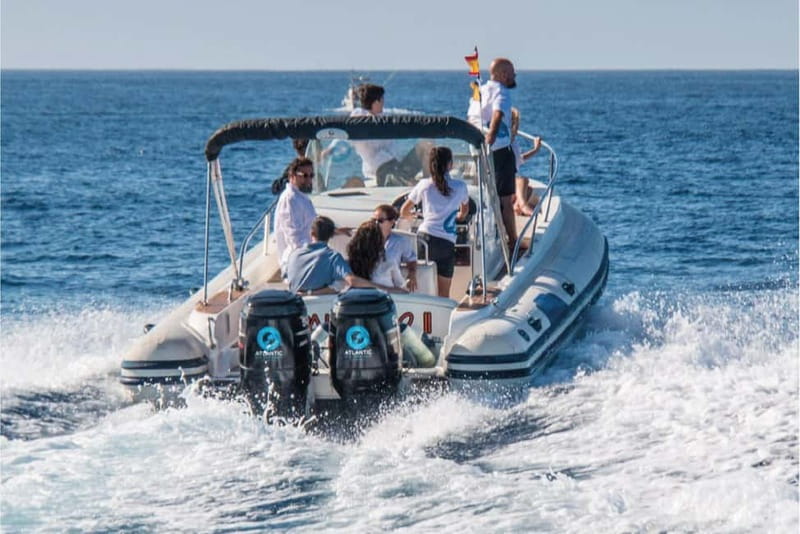
This is not just a feel-good wildlife tour. The operator is a member of ACEST, the Association of Companies for the Sustainability of Tourism, and they frame their work around conservation practices.
One of the most serious parts of the description is participation in rescue of injured animals in their natural habitat. That matters because it signals the company’s involvement is not limited to day tours. They take part in actions tied to animal welfare, which is a different category from pure sightseeing.
They also collaborate on research through photo-identification of pilot whales. You might not think of a whale-watching outing as data collection, but photo-identification catalogs rely on non-invasive observation. When a company builds that into their work, the trip becomes part of a bigger system that can help protect animals over time.
For you, the real benefit is peace of mind. When a tour takes sustainability and rescue seriously, it usually means the crew has more discipline about distance, noise, and handling sightings responsibly. That discipline ties directly back to the engine-off policy and the respectful approach mentioned in the tour details.
2.5 hours on the water, what the rhythm feels like
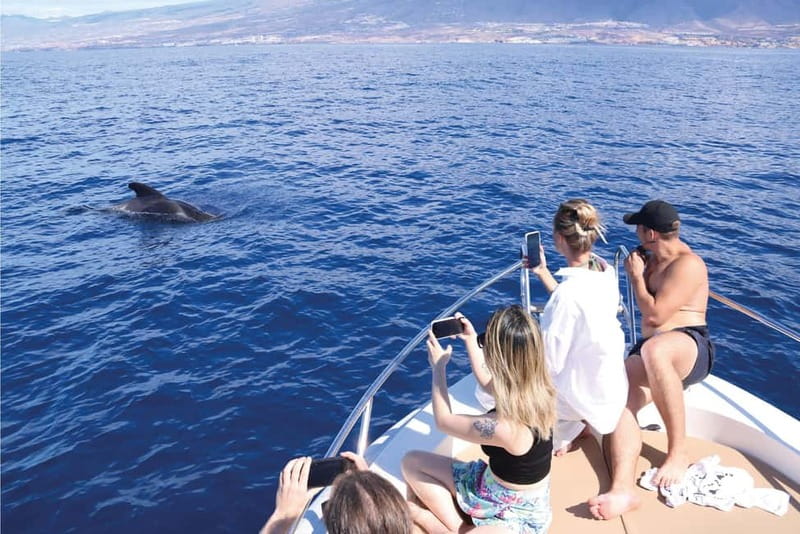
The duration is 2.5 hours, so it’s long enough to find activity but short enough to keep it practical. You’re not committing a full half day, which helps if you’re mixing this with beach time or other Tenerife activities.
Because the boat turns off engines during sightings, the trip tends to feel calm. You spend time watching for the moment when animals surface, then you shift into listening mode with the hydrophone. That can feel slower than large fast tours, but it’s also more satisfying, because you’re not just rushing past wildlife.
The English and Spanish live tour guide also helps with pace. A guide can explain what’s happening while you’re on the water, not after. That keeps you engaged even during quieter stretches.
Families can also find this format manageable. The experience description and the overall feedback style point to it being suitable for small children, helped by the short duration and the calm, structured nature of wildlife viewing.
Price and value: paying for conservation, not crowds
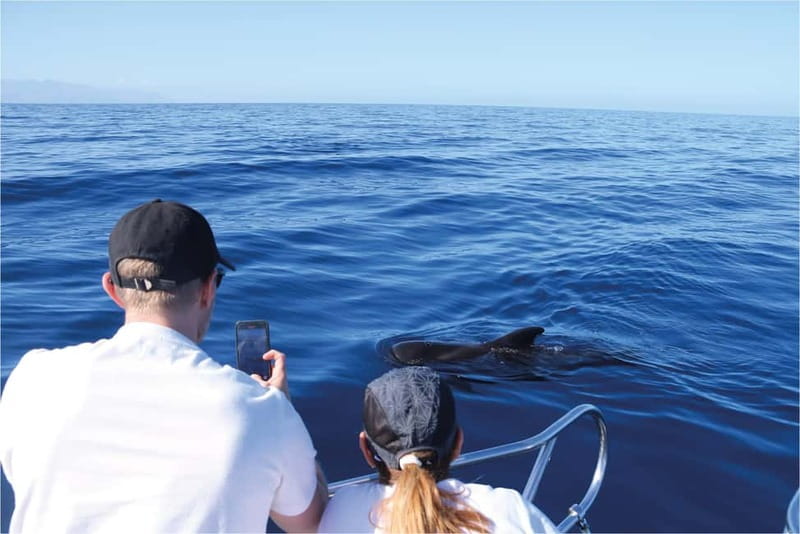
No price is provided here, so I can’t do a number comparison. But you can still judge value based on what’s included and how the day is structured.
You’re getting several elements that typically cost extra when they are done well: a small boat limited to ten passengers, a biologist on board, drinks, and hydrophone listening. Add in the conservation approach, including engine-off viewing and safe-distance behavior, and the value becomes more about quality than volume.
If you compare this to generic whale-watching trips that prioritize maximum sightings over animal welfare, you’ll likely see the difference in how it feels on the water. Quiet time, listening time, and fewer passengers usually translate to better attention and fewer moments where you’re just trying to see through crowds.
For many people, the hydrophone is the tipping point. It’s one thing to spot whales. It’s another to understand the sound world they live in. That extra sensory layer is hard to replicate on standard cruises.
Practical tips before you go
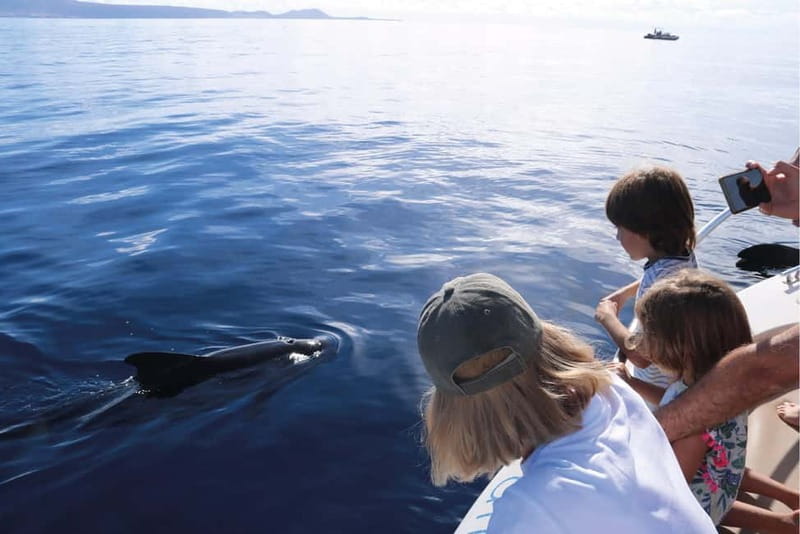
This tour gives simple, useful packing advice. Bring sunglasses and a sun hat, plus sunscreen. The south coast of Tenerife can be bright, and even if it’s not scorching, water days can still surprise you with sun exposure.
Also, plan to be ready for listening moments. That means you might want to reduce distractions, like trying to multitask on your phone during the hydrophone segment. Let the experience do its job.
If you get motion-sensitive, small-boat trips can be a mixed bag, so think about your comfort level ahead of time. The boat is limited capacity, but it is still open water, and the day’s animal activity can affect how the time feels.
Should you book Atlantic Eco Experience in Costa Adeje?
Book it if you want a whale-watching trip that treats marine life with respect and gives you tools to understand what you’re seeing. The hydrophone feature is the big reason to choose this style, because it adds real sound-based context to dolphin and whale behavior.
Also book if you value a small group experience. With a maximum of ten passengers, you’re more likely to get attention from the biologist and guide, and it’s easier to settle in for engine-off viewing without feeling like you’re fighting the crowd.
Think twice if you are only happy with constant action. Because the trip intentionally uses quieter moments and waits for sightings to unfold naturally, the day is paced around the animals, not around your need for nonstop excitement.
FAQ
How long is the Costa Adeje whale watching experience with hydrophone?
The tour lasts 2.5 hours.
Where does the activity take place?
It runs on the south coast of Tenerife in Costa Adeje, in Europe’s only whale sanctuary.
What boat do you use, and what is the group size?
The experience uses the boat Papacho 2 and has a maximum capacity of ten passengers.
Who guides the tour?
There is a live tour guide, with English and Spanish available, and a biologist is on board who explains the fauna and conservation keys.
Does the tour include hydrophone listening?
Yes. During sightings, the crew launches a hydrophone so you can listen to sounds used by animals for communication or hunting.
Are the boat engines on during whale sightings?
No. During sightings, the boat’s engines are completely turned off to avoid disturbing the animals.
What marine wildlife might we see?
The tour mentions cetaceans, turtles, and seabirds. Pilot whales are also part of the research and identification work described for the region.
Are drinks included?
Yes, drinks are included on board.
What should I bring?
Bring sunglasses, a sun hat, and sunscreen.
What are the cancellation and payment options?
You can cancel up to 24 hours in advance for a full refund. You can also reserve now and pay later, so you do not pay anything today.
More Tour Reviews in Tenerife
- Siam Park Entry Tickets
★ 4.5 · 15,710 reviews - Tenerife: Eco-Yacht Whale and Dolphin Watching and Swimming
★ 4.7 · 15,619 reviews - Los Cristianos Respectful No-Chase Whale and Dolphin Safari
★ 4.6 · 12,782 reviews - Tenerife: Loro Parque Entry Ticket
★ 4.8 · 12,411 reviews - Loro Parque and Siam Park Combined Admission Tickets
★ 4.7 · 7,307 reviews
Starting from Costa Adeje
- Costa Adeje: Whale & Dolphin Eco-Cruise with Snacks & Drinks
★ 4.6 · 5,096 reviews - Costa Adeje: Whale Watching Catamaran Tour with Drinks
★ 4.7 · 3,653 reviews - Whale Watching Eco-Adventure from Costa Adeje
★ 5.0 · 2,066 reviews - Costa Adeje: Whale & Dolphin Submarine Vision Mini Cruise
★ 4.5 · 2,043 reviews - Costa Adeje: Whale and Dolphin Cruise with Food and Pickup
★ 4.3 · 1,604 reviews
Whales and Dolphins off Tenerife
- Tenerife: Eco-Yacht Whale and Dolphin Watching and Swimming
★ 4.7 · 15,619 reviews - Los Cristianos Respectful No-Chase Whale and Dolphin Safari
★ 4.6 · 12,782 reviews - Costa Adeje: Whale & Dolphin Eco-Cruise with Snacks & Drinks
★ 4.6 · 5,096 reviews - Los Gigantes: Dolphin & Whale Watching Cruise with Swim Stop
★ 4.7 · 4,539 reviews - Costa Adeje: Whale Watching Catamaran Tour with Drinks
★ 4.7 · 3,653 reviews
Just Reviewed: Fresh Tenerife Trips




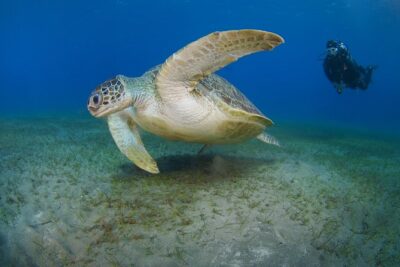
Whale & Dolphin Watching, compared.
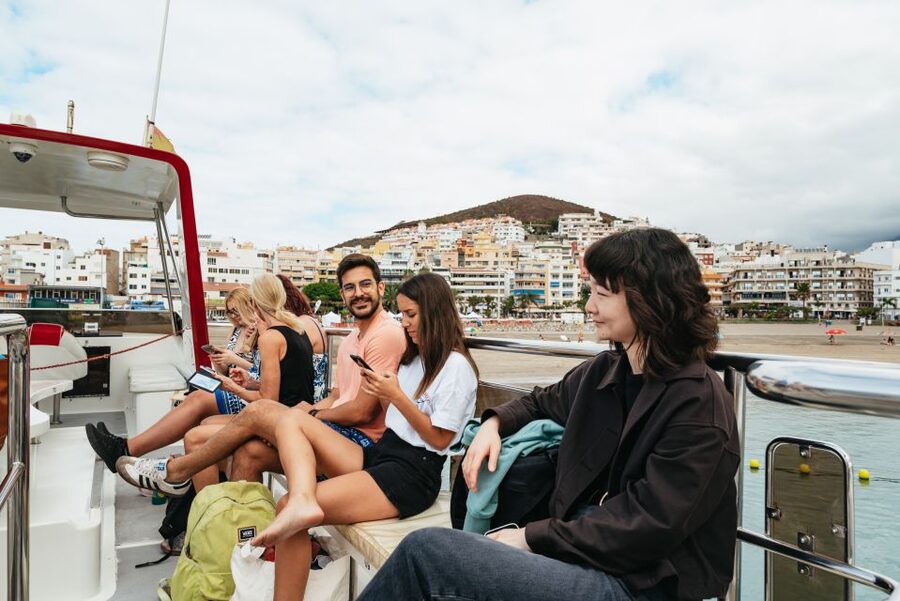 Boat & Yacht Trips
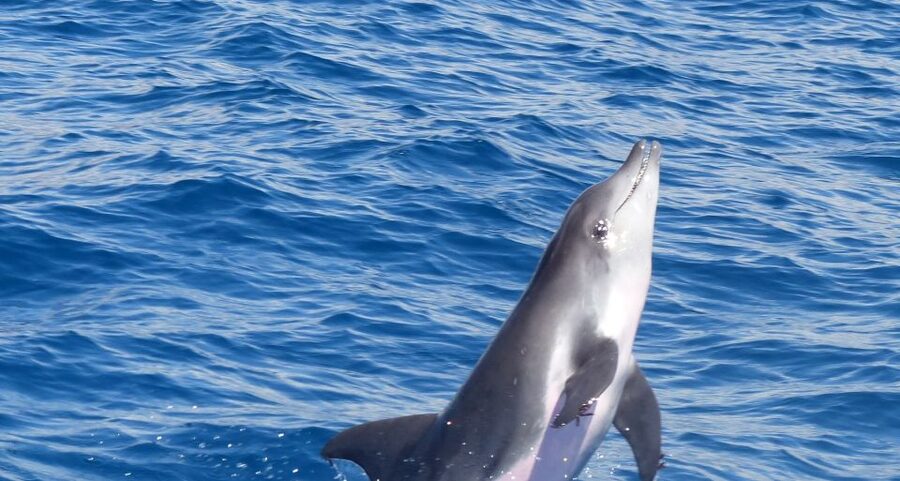 Dolphin Watching
 Boat & Yacht Trips
 Boat & Yacht Trips
 Boat & Yacht Trips
 Dolphin Watching
 Airport & Island Transfers
 Dolphin Watching
Browse the lists this tour appears in