
Reviewed · WORKSHOPS
Rural Life Experience: Mojo Workshop and botanical Walk
If you love food, this walk is for you. In La Laja, the real magic is botanist Zdenka turning local plants and farm life into something you can taste and remember. It is part guided nature walk, part hands-on cooking lesson, with a strong rural feel throughout.
I especially like the way she explains the island’s botany in plain language, and then connects it to what people actually grow. The second big win is the small group format, max 4 people, so questions do not get lost in the shuffle. You also do more than watch, you harvest ingredients and make the mojo with mortar and a stone.
The main thing to plan for is heat. The walk can get hot, and the activity is not a good match if you have low fitness or you feel uneasy around heights.
Key highlights you will feel right away
- A 3.5-hour format that stays focused on plants, agriculture, and mojo, with no wasted time
- Zdenka’s guided botanical walk through La Laja’s valley, with history and climate explained
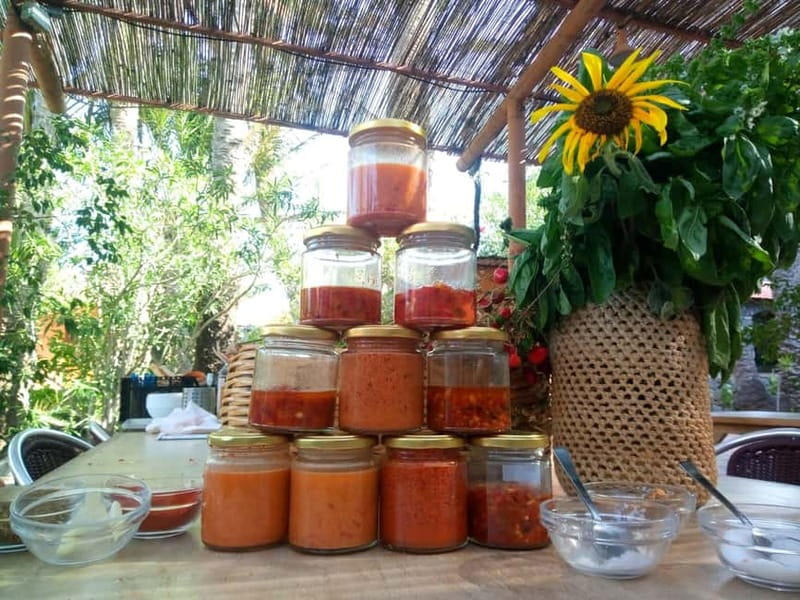
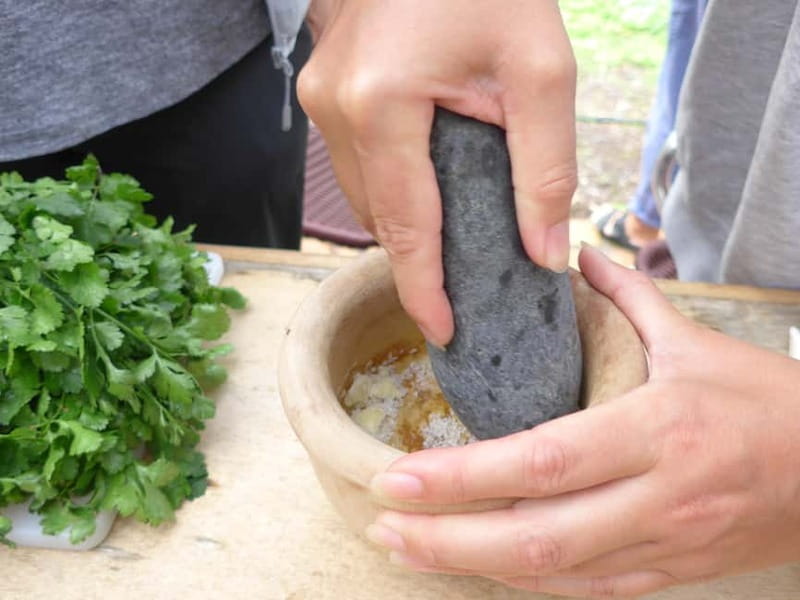
- Hands-on mojo making using traditional tools, plus a tasting right after
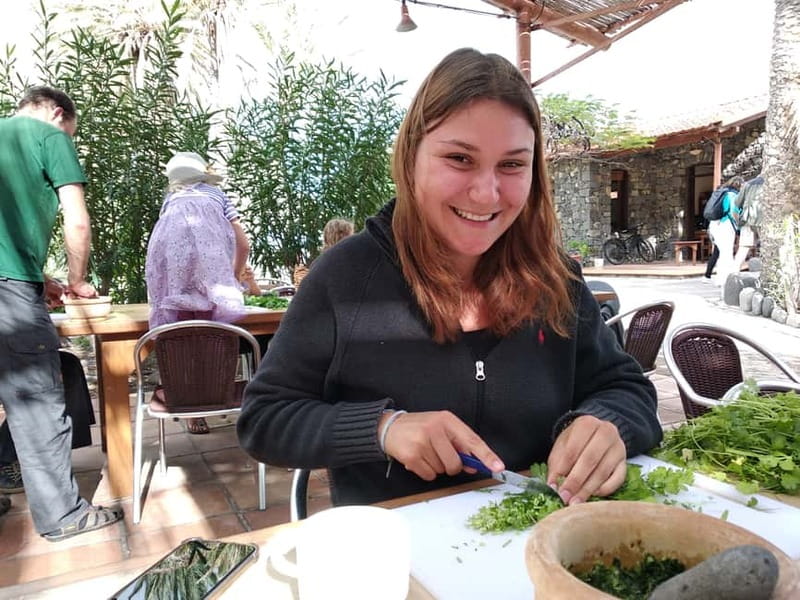
- Field time for coriander and canary chilies, including harvesting the ingredients
- Only 4 participants per group, so you actually get answers (and time)
La Laja, La Gomera: where mojo starts with plants
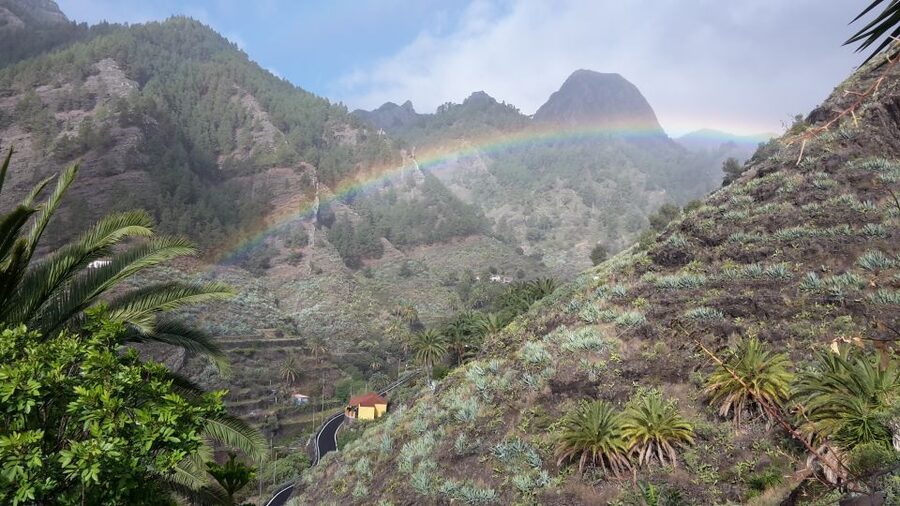
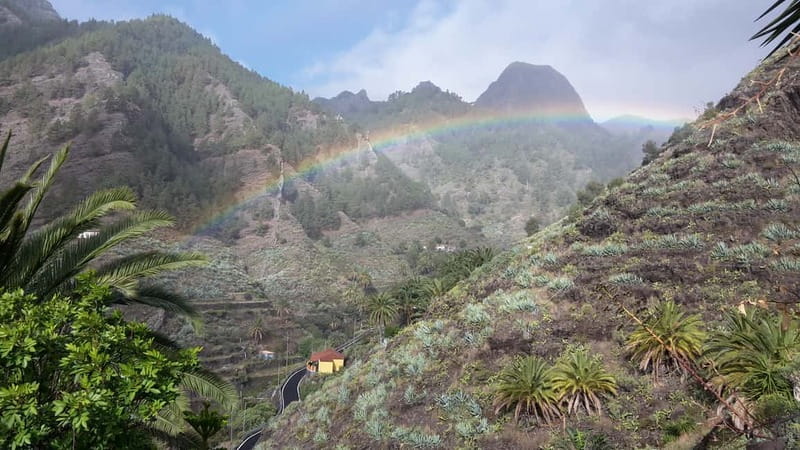
La Gomera has a reputation for rugged beauty and good food, but this experience keeps it grounded in everyday agriculture. You are not racing from viewpoint to viewpoint. Instead, you are seeing how plants, weather, and farming habits shape what ends up on the table.
I like that the mojo here is not treated like a mystery sauce. It is framed as something the islanders make with local ingredients and old-school technique. That matters, because mojo can taste very different depending on what goes into it and how it is prepared.
Also, the whole mood fits La Gomera’s pace. You are in a small mountain village area, walking from the central meeting spot toward the valley and fields. It feels like a window into rural life, not a staged performance.
Line these up before you settle on this Tenerife trip:
- Silent Disco Walking Tours★ 4.5 · 12 reviews
- Tenerife: Silent Disco Walking Tour “Mustang Sally’s”★ 4.8 · 8 reviews
Meeting at Centro Social: how the 3.5 hours work
You meet at the bus stop in the center of La Laja, next to the Plaza and Centro Social. The activity begins there and ends back at the same point, so you are not stranded on the far side of the island.
Starting times vary, so check availability for the day and hour that fits your plans. The total duration is about 3.5 hours, which is a sweet spot: long enough to learn something real, short enough that you can still enjoy the rest of your afternoon.
Two practical notes if you are building the day:
- Transport is not included, so you need a plan to get yourself to La Laja.
- The walk can be hot, so plan to bring water and take breaks when your guide suggests them.
This is also not a pick for everyone. It is not suitable for people afraid of heights, and it is not meant for low fitness levels. If you are unsure, judge it by your ability to walk comfortably on warm days.
The botanical walk with Zdenka: plants, climate, and everyday farming
The first big portion is a guided walk from La Laja into the valley area. Your guide is Zdenka, who works as a gardener and botanist. That dual role is the key. You get the science side, but you also get the working knowledge of what grows where and why.
During the walk, Zdenka explains a lot about:
- the history connected to local agriculture
- the climate of La Gomera
- the unique nature of the island, including how plants fit into the landscape people live with
One reason I find this approach effective is that it answers the questions you normally only think after the fact. When you see a plant, you want to know what it is, what it needs, and whether it is part of local cooking. Here, those links are part of the narration from the start.
You also explore the agriculture around La Laja as you move along. This is where the experience shifts from “pretty walk” to “I get how food happens here.” Even if you are not a plant person, you will likely come away with a few names and a clear sense of what the area supports.
From fields to mortar and stone: making mojo the traditional way
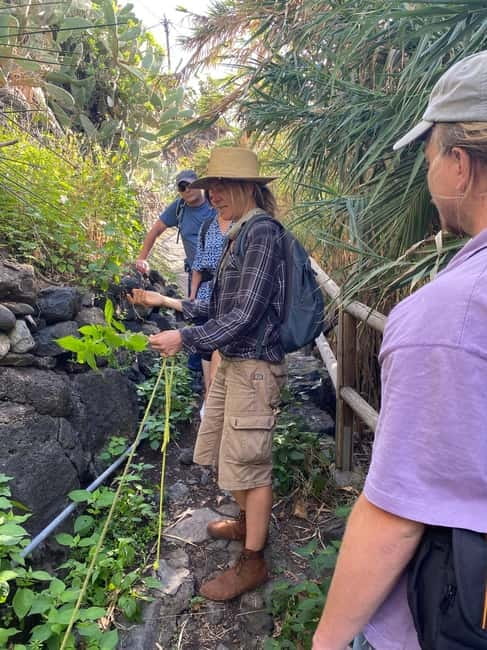
After the walk, you head into the fields area to learn more about what grows well locally. You will learn how to plant coriander or canary chilies, and then you will harvest the ingredients used for the sauce. That step is not just for show. It makes the mojo-making feel like a complete loop, from plant to plate.
Then comes the workshop itself: you learn how to make the typical Canary Islands mojo using mortar and a stone. This traditional method is important because it changes the texture and the way flavors blend. Watching someone work the ingredients, then trying it yourself, is where the whole experience becomes more than a lecture.
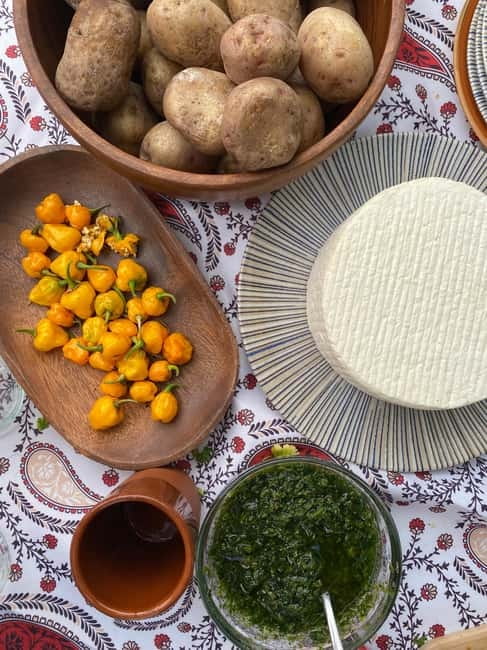
And you do not just make one thing and leave. You also get to taste mojo. The tasting happens during the experience, and you will have the opportunity to try another mojo with local potatoes or bread.
That paired tasting is a smart touch. Mojo is one of those sauces that can feel like an isolated condiment unless you experience it where it belongs. With potatoes or bread, you can actually judge how it functions as part of a simple meal, not just as a flavor experiment.
Line these up before you settle on this Tenerife trip:




What makes the small group matter (and not just as a marketing line)
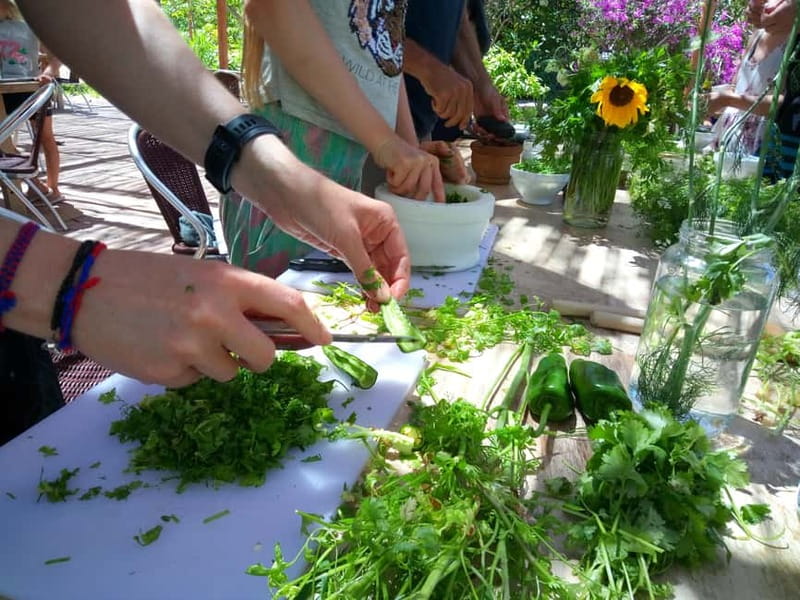
This is limited to 4 participants. That sounds like a small number because it is small, and it changes the whole vibe.
In a tiny group, you get room to ask questions about:
- specific plants you see on the walk
- why certain crops fit La Gomera’s conditions
- how to think about mojo beyond taste, like texture and technique
It also makes the workshop feel more personal. When your guide can keep track of everyone at mortar and stone level, you are not stuck waiting your turn while the sauce gets cold or dries out. The pace feels like learning with a teacher, not getting pulled through a checklist.
If you are traveling with friends, this format also gives you something worthwhile to discuss afterward. You can talk about what you noticed in the valley, then compare what you made with what you tasted.
Price and value: is $74 per person worth it?
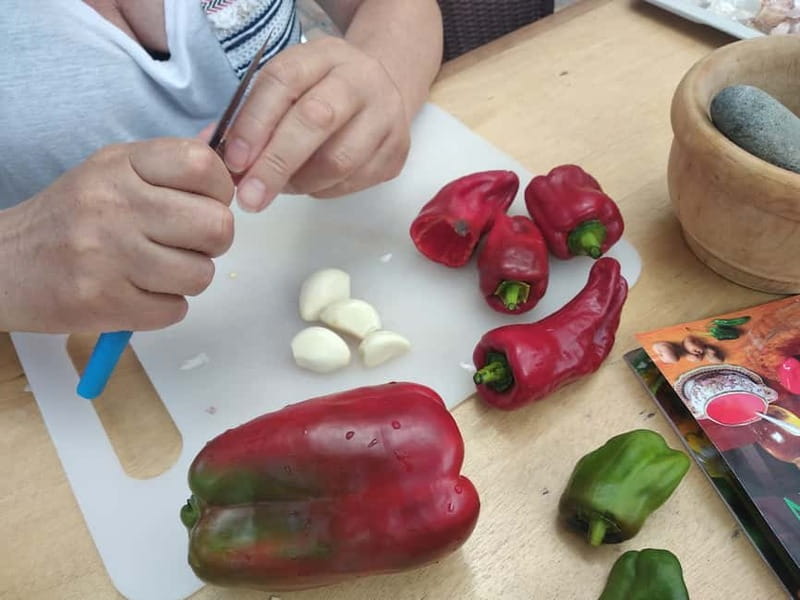
At $74 per person, you are paying for a highly structured half-day with a specialist guide and hands-on food work. What helps justify the cost is what is included: the guided walk, explanations by a botanist and gardener, the mojo workshop using traditional tools, and mojo tastings.
You are also paying for the small group element. Most food experiences either stay generic or become expensive private lessons. Here, the group size is tiny but the price stays accessible.
The biggest value point for me is that you get more than one sensory layer:
- You learn from plants and agriculture during the walk.
- You participate in harvesting and preparation.
- You taste mojo with local potatoes or bread.
If you like practical learning, this price feels fair. If you only want to watch and you do not care about hands-on cooking or local plants, you might prefer a simpler, cheaper stop. But if you want a story you can bring home, this is the kind of experience that sticks.
Weather, heat, and what to pack so you enjoy it
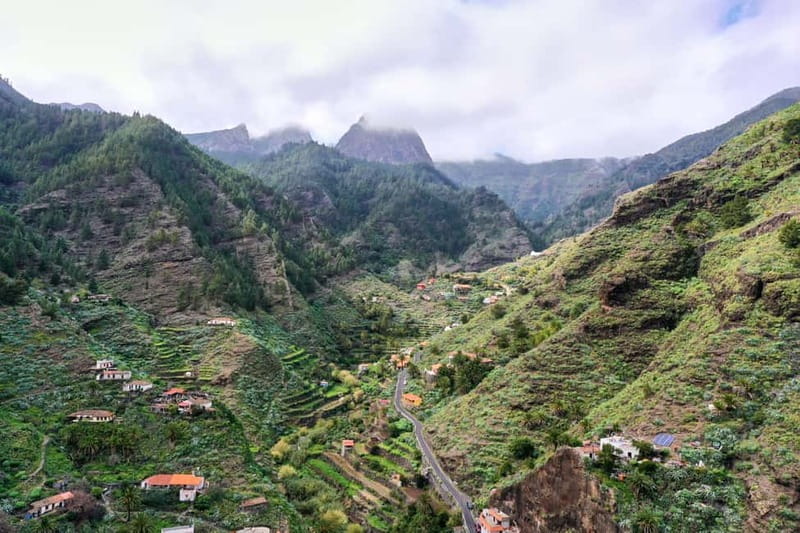
The experience notes it can get hot while walking. That is not a throwaway line. You are walking in open outdoor areas, then you move on to fields and cooking work, so staying comfortable matters.
Bring:
- a sun hat
- drinks
- sunscreen
I would also suggest planning your day around water and shade breaks. In this kind of setting, small discomforts snowball fast. The right preparation lets you focus on the plants, the process, and the tasting instead of thinking about how warm it is.
Who this is best for, and who should skip it
This experience fits best if you want:
- a calm rural look at La Gomera, focused on agriculture rather than only views
- hands-on food learning, including making mojo with traditional tools
- a small group where you can ask lots of questions
- botanical or plant curiosity, even if you are not an expert
You should think twice if you are afraid of heights or if you have low fitness. The walk and valley area are part of the core experience, and the tour is not designed for people who need very flat, gentle routes.
If you are the kind of traveler who likes learning how ingredients get to a dish, you will enjoy this. If you prefer pure sightseeing without any cooking component, you might feel like you are doing too much.
Should you book Mojo Workshop and Botanical Walk in La Laja?
I would book it if you want a true La Gomera flavor lesson that connects plants, farming, and cooking. The mojo workshop is the headline, but the reason it works is the plant and agriculture context from Zdenka, the very small group size, and the fact that you do not leave without tasting the results.
You might skip it if you cannot handle warm walking, need step-free routes, or you know you will not enjoy hands-on cooking. Otherwise, for the price, you are getting a full loop: walk, harvest, make, taste.
If your schedule is flexible, you can usually reserve first and keep your plans open until close to the start date. Just double-check the available start time that fits your day, and plan on getting yourself to La Laja since transport is not included.
FAQ
How long is the Mojo Workshop and botanical Walk?
It lasts about 3.5 hours. Start times depend on availability, so check the schedule when you book.
Where do I meet the guide in La Laja?
Meet at the bus stop in the center of La Laja, next to the Plaza and Centro Social.
Is transport to La Laja included?
No. Transport to La Laja is not included, so you will need to arrange your own way to the meeting point.
How big is the group?
The group is small, limited to 4 participants.
What languages does the instructor speak?
The instructor teaches in German, Czech, English, and Spanish.
What do I do during the workshop, and what do I taste?
You join a guided walk to see traditional agriculture, learn from a botanist and gardener, and then make typical mojo the traditional way. You also taste mojo, including another mojo served with local potatoes or bread.
What should I bring because it can get hot?
Bring a sun hat, drinks, and sunscreen.
Is it suitable for everyone?
It is not suitable for people afraid of heights or for people with low level of fitness. Also, the walk can be hot, so be ready for warm conditions.
More Workshops in Tenerife
- Group Surfing Lesson at Playa de las Américas, Tenerife
★ 5.0 · 1,072 reviews - Playa de las Américas: Private or Small-Group Surf Lesson
★ 4.8 · 980 reviews - Tenerife: Surfing Lesson for All Levels, Photos included
★ 4.9 · 861 reviews - Group Surf Lessons
★ 5.0 · 310 reviews - Private Surfing Lesson at Playa de las Américas
★ 5.0 · 167 reviews
More Walking Tours in Tenerife
- Silent Disco Walking Tours
★ 4.5 · 12 reviews - Tenerife: Silent Disco Walking Tour “Mustang Sally’s”
★ 4.8 · 8 reviews
More Tour Reviews in Tenerife
- Siam Park Entry Tickets
★ 4.5 · 15,710 reviews - Tenerife: Eco-Yacht Whale and Dolphin Watching and Swimming
★ 4.7 · 15,619 reviews - Los Cristianos Respectful No-Chase Whale and Dolphin Safari
★ 4.6 · 12,782 reviews - Tenerife: Loro Parque Entry Ticket
★ 4.8 · 12,411 reviews - Loro Parque and Siam Park Combined Admission Tickets
★ 4.7 · 7,307 reviews
Just Reviewed: Fresh Tenerife Trips



Workshops, compared.
 Surfing Lessons
 Private
 Photography Sessions
 Tour Reviews
 Private
 Surfing Lessons
 Fishing
 Tour Reviews
Browse the lists this tour appears in