Reviewed · TENERIFE
Shibari on the Beach
Ropes, trust, and a gorgeous Tenerife setting. This Shibari on the Beach experience turns the art of Japanese rope tying into a guided, sensual, and beginner-friendly day that includes beach practice and an outdoor session option around Tenerife’s Anaga mountains.
I especially love how the instruction stays safe and respectful, with Ben and Kat teaching in a way that makes a skill you might think is out of reach feel doable. I also love that you do not just watch, you practice step by step, and you leave with an 8 m jute rope gift to keep going after your trip.
One key consideration: the day runs about 8 hours, and lunch or meals are not included, so plan your food timing accordingly.
Key takeaways
- Beginner focused, but not watered down: you learn knots and principles, not just a quick demo.
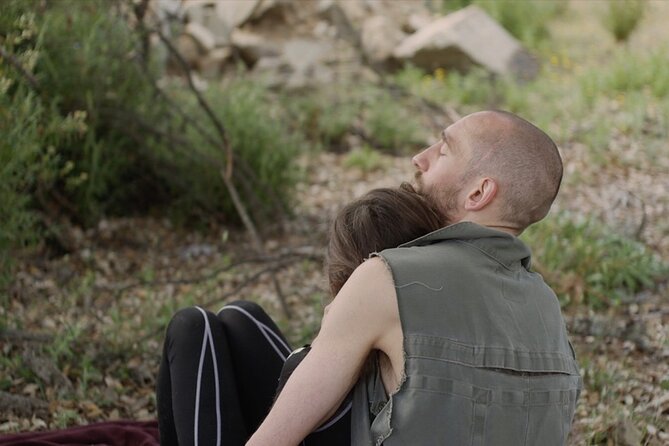
- Hands-on, intimate practice in a controlled setting with Ben and Kat.
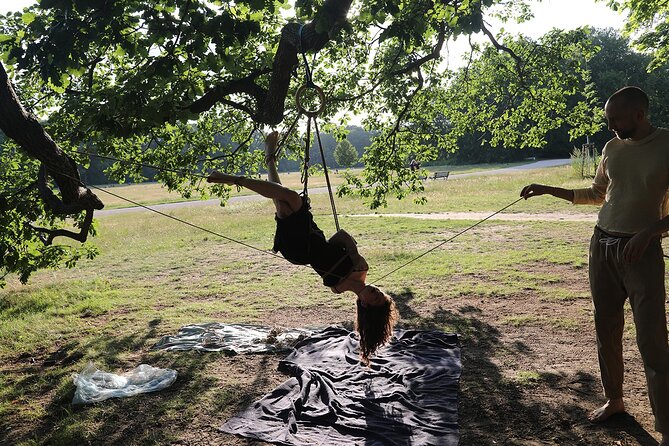
- Beach suspension setup uses a bamboo tripod, plus time for unforgettable rope-photo moments.
- An outdoor tying option in the Anaga mountains adds variety beyond the shore.
- You get an 8 m jute rope gift, so the class can continue at home.
What you do during the 8 hours in Tenerife
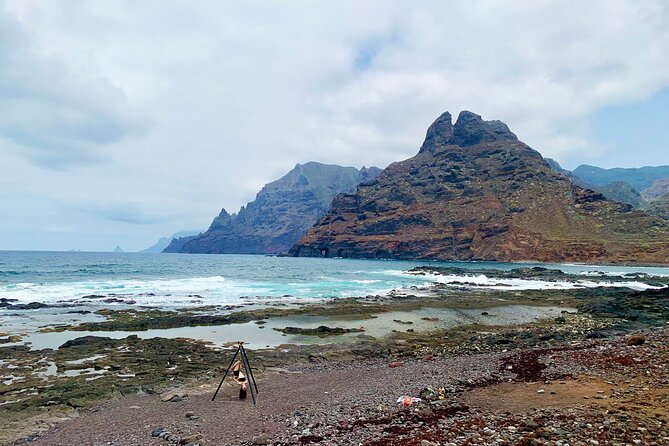
This is a full-day shibari learning session built around three ideas: learn practical basics, try more advanced sensations like suspension, and add a scenic outdoor element around Tenerife. You should expect an experience that moves beyond a single pose or trick and instead gives you a foundation you can actually use.
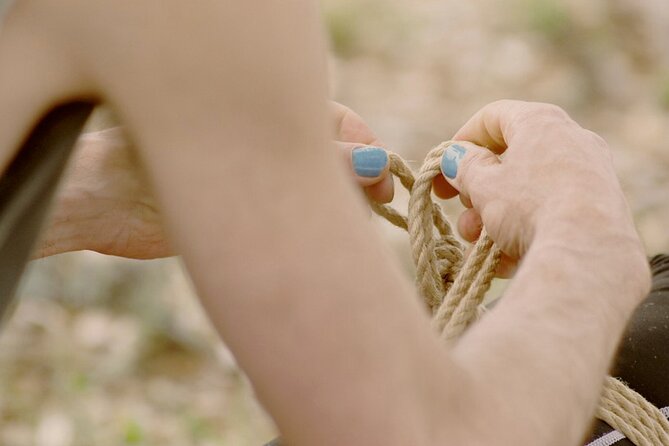
The day starts with a beginner lesson designed to help you tie each other in a playful, intuitive way. You learn basic knots and you get extra teaching points that are meant to help you handle your partner’s body with care and control, including body-handling techniques inspired by martial arts. The tone in the class is not about putting on a show. It’s about creating connection through rope work and consent.
Then the session shifts toward suspended and photo-friendly moments. You practice suspension on the beach using a bamboo tripod, and you have time for shibari suspension specifically for taking photos. This is where the art form becomes very visual, and it also becomes very technical, because suspension is all about positioning, rhythm, and trust.
Finally, there’s an outdoor option that connects the craft to Tenerife beyond the sand. The program mentions a tied-to-a-tee experience in the Anaga mountains, which means you get a setting change that can make the practice feel fresh. The rope work still uses the core beginner principles you learn earlier, but the environment adds a different mood and physical feel.
If you are thinking in terms of value, this schedule matters. You are paying for a long, coached session that includes both learning time and experience time, not just a single highlight.
Not decided yet? A few island trips worth setting next to this one.
- Siam Park Entry Tickets★ 4.5 · 15,710 reviews
- Tenerife: Eco-Yacht Whale and Dolphin Watching and Swimming★ 4.7 · 15,619 reviews
- Los Cristianos Respectful No-Chase Whale and Dolphin Safari★ 4.6 · 12,782 reviews
Ben and Kat, and why step-by-step feels approachable
The biggest reason this experience earns such strong marks is the teaching style. Ben and Kat are presented as a duo, and the consistent theme in the feedback is that they guide you in a way that feels gentle, careful, and safe. In a craft as intimate as shibari, that matters more than fancy camera angles.
I like the way the classes are described as making shibari feel accessible. The teaching approach focuses on building skills gradually, with guidance and feedback so you can adjust as you go. If you have heard of rope bondage before but never tried it, this kind of structure is what turns curiosity into confidence.
Another praised element is communication. The experience is framed as being respectful and supportive, before, during, and after the class. That matters for practical reasons too: you want to know what to expect, and you want to be able to ask questions without feeling rushed.
Kat is repeatedly linked to warmth and responsiveness, and Ben is associated with thorough step-by-step guidance and caring pacing. People also talk about learning together as a couple, with the practice becoming a bonding experience rather than a performance. If your goal is to connect with your partner while learning real rope technique, this kind of coaching is exactly what you want.
There are also mentions of deeper conversation in and around the practice, including discussion and reflection that people found therapeutic. That does not mean the day turns into therapy. It does mean the experience is treated as meaningful, not purely physical.
Beach suspension, rope-photo moments, and the bamboo tripod
If you picture a shibari lesson in Tenerife, the beach part is likely your main reason for booking. The session includes suspension on the beach using a bamboo tripod, which is specifically listed as part of what you get. That tells you the operator is not improvising. They come prepared to build a proper suspension setup and guide you through it safely.
Suspension is also where beginners can feel the biggest leap, because it is one thing to learn knots and another to understand how weight, angles, and positioning work. This is why the coaching matters. You are not just tied for a photo. You learn how suspension feels and how to move through it with control.
The program also includes time for taking photos during the suspension portion. That is useful even if you are not a serious photographer. A guided photo moment helps you focus on the pose and rope placement, while the instructor handles the technical side. You get the benefit of the visual payoff without spending the day figuring out what looks good.
For a practical read: plan on this being active. Even when you are not suspended, you are learning rope handling, body positioning, and partner coordination. If you prefer passive sightseeing, this is not that kind of tour. It’s a taught experience, and it asks you to participate.
The beach setting is also a choice for a reason. It adds openness, movement, and natural light, and it changes the pacing compared with being in a more secluded spot. The downside is simple: outdoor conditions and timing. You are outdoors for a large chunk of the day, so you will want to be flexible if the weather or wind changes how the session feels.
Anaga mountains tying to a tee and the martial-arts-inspired handling
Not every shibari class includes a second setting, and that’s one of the reasons this day stands out. The program mentions a tied-to-a-tee experience in the Anaga mountains, which adds a more rugged, elevated mood compared with the beach. It also helps break the day into different “chapters,” so you are not repeating the same surface and positioning for the entire session.
The tying-to-a-tee element is also a good way to learn something beyond suspension. Suspension teaches you about lift and angles. A tee-style tie shifts the focus toward structure, alignment, and stability. Even if you only do a beginner version, this kind of contrast can make the learning feel more complete.
The class also references body-handling techniques inspired by martial arts. That matters because it connects rope work to control of movement, touch, and positioning. Instead of treating tying as only knots, you are being taught how to manage bodies in space with intention. That can help you feel more grounded and less “random” during practice.
From the reviews, a recurring theme is respect and care in handling. That is exactly what you want when the craft gets more physical. If you are worried about feeling awkward or exposed, the way the instruction is described in feedback is reassuring, because it emphasizes consent, safety, and a steady pace.
One practical consideration: this is not a short hike-and-tie combo. The experience is still an 8-hour guided rope session. Even if you do not mind outdoor time, you should be ready for a full day where you are learning and practicing, not just taking photos.
Your practice kit: the 8 m jute rope gift
A lot of classes end when the session ends. Here, you are specifically given an 8 m jute rope gift to continue tying alone. That detail changes the value equation, because it turns the day into an ongoing practice rather than a one-time souvenir.
Jute rope is also a practical choice for beginners. It is meant to help you learn handling, tension, and knot structure at home. The length matters too. Eight meters gives you enough to experiment with beginner ties and spacing, rather than making you feel like you are stuck with a rope that is too short to learn properly.
If you are traveling, a rope gift also means packing and transporting something physical. That’s a small tradeoff, but it’s the kind of tradeoff that makes learning stick. You can review what you practiced in class, recreate the basics, and build familiarity.
One more point: because the day is guided and beginner focused, your home practice will be less guesswork than it would be after a generic tutorial. The class teaches basic knots and additional knowledge for fun and playful encounters, plus a set of techniques referenced in the lesson structure. Even if you do not use every idea immediately, you leave with a framework.
Price and value for a private, English session in Tenerife
At $336.82 per person for an approximately 8-hour experience, the big question is what you’re buying. You are not paying for a quick photo stop. You’re paying for guided practice, a private format, and structured instruction focused on beginners.
The private tour setup is important. It says only your group participates, so you are not competing for attention in a large class. That often makes a real difference in a sensitive, hands-on activity where safety and pacing matter.
You also get pickup offered, plus the operator uses a mobile ticket. Group discounts are listed too, which is a nice way to reduce the per-person cost if you come with friends and can form your group. Language is English, which is helpful if you want clear instruction without translation work.
Value-wise, the included items also matter: you receive the 8 m jute rope and the bamboo tripod is used for beach suspension. Those are practical components, not just “included access.” And because you get both beach suspension and an Anaga mountains option, you’re buying variety in settings rather than a one-location routine.
The only clear cost risk is food. Lunch and dinner and breakfast are not included. If you are someone who does not plan food well, that can make the day feel more expensive than the base price. For a fair comparison, think of this as an all-day activity where you handle meals separately.
Who should book, and who should think twice
This experience is “most travelers can participate,” and it is offered in English, so the technical barrier is lowered. It is also described as a way to connect with yourself and others in a sensual way, which means your comfort with intimate rope play matters.
You should book if:
- you want a beginner-led introduction with real instruction and feedback
- you are drawn to beach suspension and rope-photo moments
- you like the idea of learning from Ben and Kat in a safe, respectful atmosphere
- you want something that includes both practice and a longer day of guided exploration
You might think twice if:
- you do not want a hands-on, intimate activity
- you prefer tours with food included, since meals are not part of the package
- you want a purely sightseeing day, because this is primarily about learning and practicing shibari
A small practical plus: service animals are allowed, and the meeting area is near public transportation. Also, pickup is offered and you will be recognizable because the guides carry very long bamboos on top of their car. That can reduce stress when you are trying to find the right group at the start.
Should you book this Shibari on the Beach session?
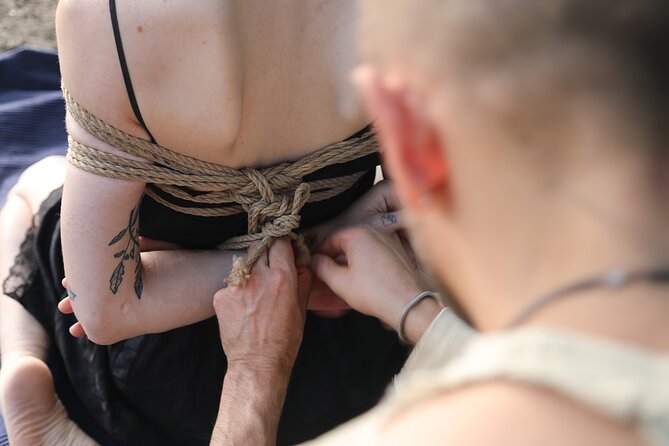
If your goal is a guided, beginner-friendly shibari day in Tenerife with real teaching and a strong emphasis on safety, this is a solid choice. The combination of beach suspension with a bamboo tripod, an outdoor Anaga mountains option, and an 8 m jute rope gift makes it more than a one-off experience.
If you hate long days outdoors, or if the idea of sensual rope play does not feel like something you want, skip it. But if you want a careful introduction, plus a chance to build a practice you can continue after you leave, booking is a smart way to turn interest into actual skill.
FAQ
How long is the Shibari on the Beach experience?
It runs for approximately 8 hours.
Where does the tour take place?
The experience is in Tenerife, Spain.
What language is the session taught in?
It is offered in English.
Is pickup available?
Pickup is offered. The guides are described as easily recognizable because they carry very long bamboos on top of their car.
What is included in the price?
Included items are an 8 m jute rope as a gift and use of a bamboo tripod for suspension on the beach.
Are meals included?
Lunch, dinner, and breakfast are not included.
Can I cancel and get a refund?
Free cancellation is available. You can cancel up to 24 hours in advance for a full refund, and refunds are not available for cancellations made less than 24 hours before the start time.
More Tour Reviews in Tenerife
- Siam Park Entry Tickets
★ 4.5 · 15,710 reviews - Tenerife: Eco-Yacht Whale and Dolphin Watching and Swimming
★ 4.7 · 15,619 reviews - Los Cristianos Respectful No-Chase Whale and Dolphin Safari
★ 4.6 · 12,782 reviews - Tenerife: Loro Parque Entry Ticket
★ 4.8 · 12,411 reviews - Loro Parque and Siam Park Combined Admission Tickets
★ 4.7 · 7,307 reviews