Reviewed · TENERIFE
Colon Skies
Columbus followed the weather to La Gomera. This small-group half-day of San Sebastián history plus a Garajonay laurel-forest walk is a smart way to pack a lot of meaning into limited time, and I especially like that you also get a slow, shady nature moment at El Cedro. The main thing to consider is that if your day is tight, you need to be on time at the port bus meeting point, and you should plan food on your own since it is not included.
You’ll travel with a live guide in English or Spanish, capped at 7 participants, which helps the day feel personal instead of rushed. You also get a very specific nature focus, the highest-protection areas of Garajonay plus the UNESCO Biosphere Reserve, not just a quick look from a viewpoint.
A possible drawback: this itinerary leans active, with walking through forest and along a stream, so it is not ideal if you are looking for a mostly seated day.
Key Things to Know Before You Go
- Garajonay National Park and UNESCO Biosphere Reserve are the backbone of the day, so the nature is the point, not scenery decoration.
- San Sebastián Columbus stops include Casa de Colón, El Pozo de la Aguada, and the Torre del Conde, all tied to the voyages to America.
- The laurel forest is Tertiary-era survival, meaning the plants and feel of the woods are unlike typical island scrub.
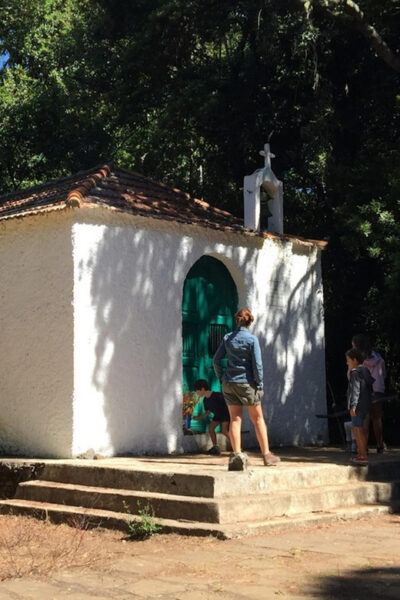
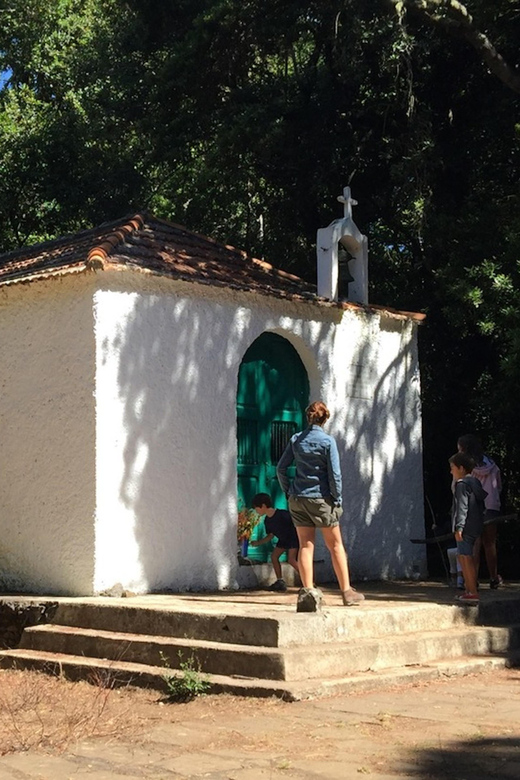
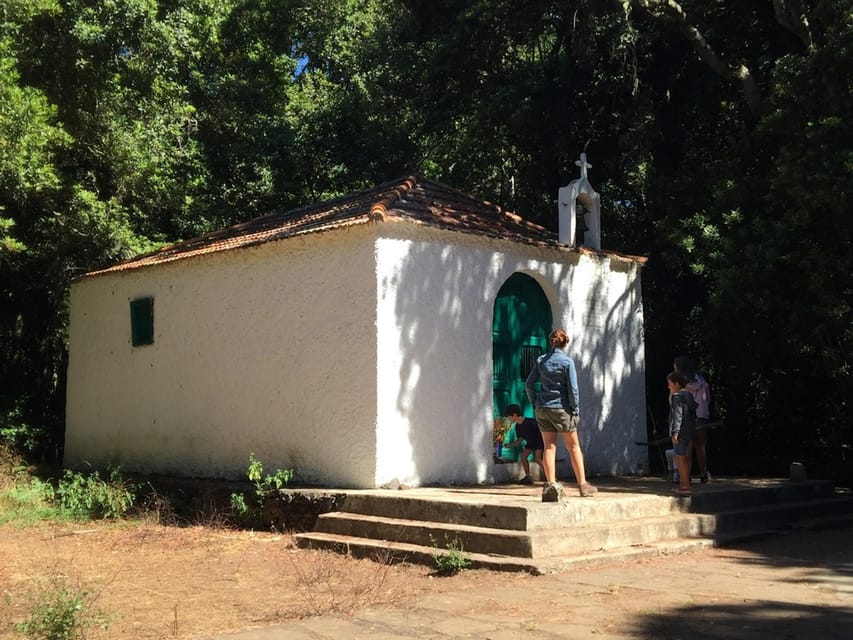
- El Cedro stream walk runs from Las Mimbreras toward Ermita de Lourdes, where you may spot blue finches around bread crumbs.
- Small group size (up to 7) keeps the pacing humane on narrow, curvy roads.
- Food is not included, so build in your own lunch or snack plan before and after the 6-hour window.
Entering San Sebastián, La Gomera’s Columbus-Linked Capital
Your day starts at the Bus Station at the Port of San Sebastián on La Gomera. That matters because the timing is built around ship arrivals and departures, so you’ll want to treat the meeting point like a real appointment, not a vague suggestion.
From there, the tour is structured in two halves: first, you learn why San Sebastián mattered to Christopher Columbus, then you walk into the Laurisilva forests and the El Cedro watercourse. I like this split. It gives you context early, so the nature stops feel earned rather than random.
The transport inside San Sebastián is included, which helps on an island where a few minutes of road time can feel like more. With a small group, you also avoid the jumpy feeling of larger tours trying to herd people into tight streets.
Not decided yet? A few island trips worth setting next to this one.
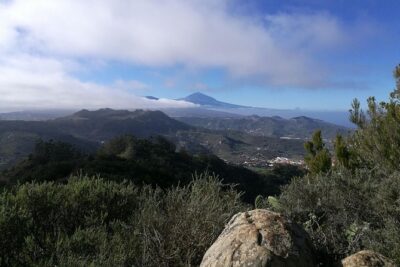
- hikking tour in Anaga★ 5.0 · 5 reviews
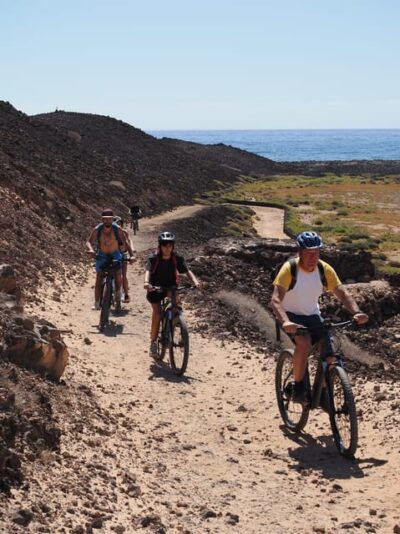
- Discover Lobos en Ebike on Your Own★ 4.8 · 4 reviews
- Colon Skies★ 3.2 · 4 reviews
Casa de Colón And The Beatriz de Bobadilla Connection
The Columbus part is not just a generic stop. You’ll visit Casa de Colón, a focal point for explaining the personal and practical reasons Columbus spent time here.
What I appreciate about this stop is the mix of storytelling and objects. You get a rich exhibition of pre-Columbian sculptures brought from America. That detail helps you understand that Columbus’ story is not only about ships. It is also about what changed when people from different worlds collided.
The tour also ties Columbus to his stay on La Gomera and to his connection with Beatriz de Bobadilla. If you like history that shows relationships and logistics, not just dates, this is the section that will likely click for you.
El Pozo de la Aguada And The Torre del Conde Fortress Views
After Casa de Colón, the day shifts to practical details tied to the voyages. El Pozo de la Aguada is where the water used for baptizing the new continent was extracted. Even if you are not a theology person, this is a strong example of how geography becomes part of a story.
Then you’ll reach Torre del Conde, described as the last and best preserved military fortress of the Canary Archipelago. This stop is great for your “point-and-look” brain. You can see how coastal defense worked, and you also understand why a place like La Gomera, small but strategically positioned, drew attention.
There is a gentle tradeoff here. If you want museum time and only museum time, these are more like heritage landmarks with explanation than hours inside formal buildings. But for a 6-hour day, the mix is what keeps it moving.
Garajonay National Park: Walking The Tertiary-Era Laurel Forest
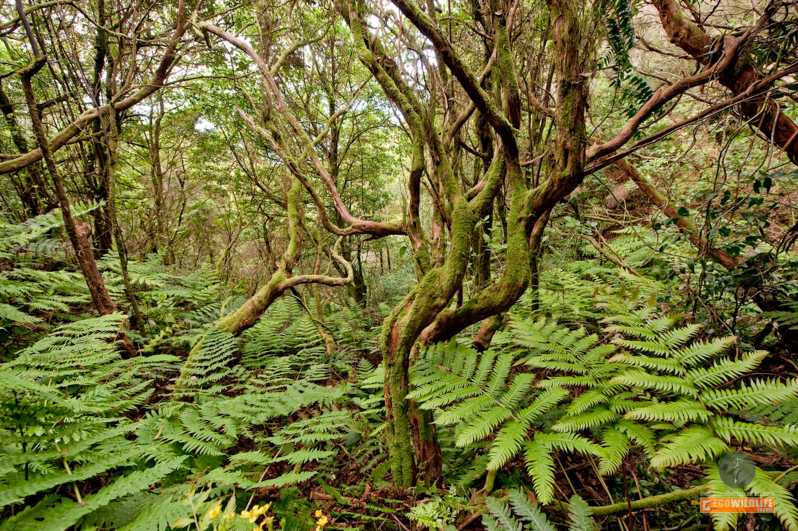
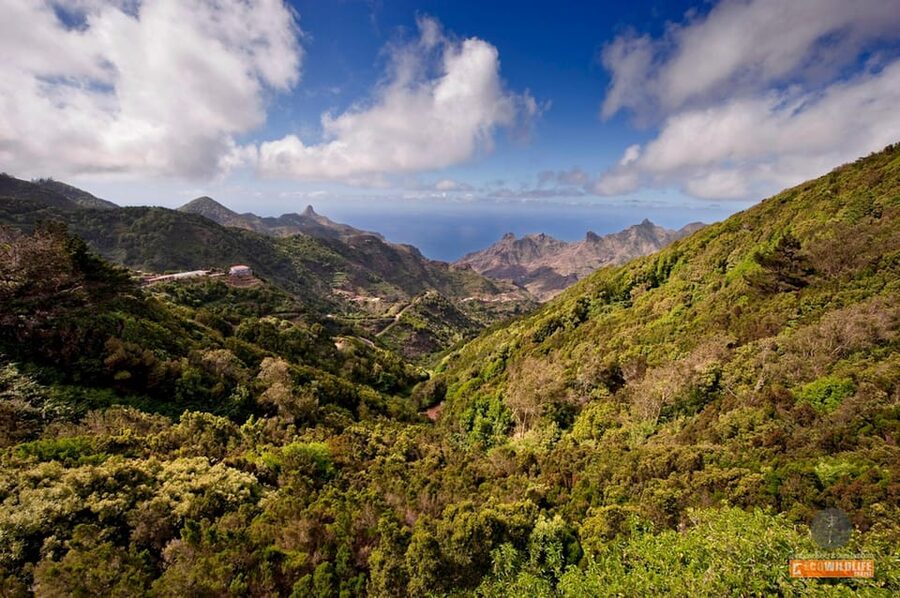
Now you shift from streets to forest. The highlight here is a walk through the laurel forest of the island’s center, connected to Garajonay National Park and the UNESCO Biosphere Reserve.
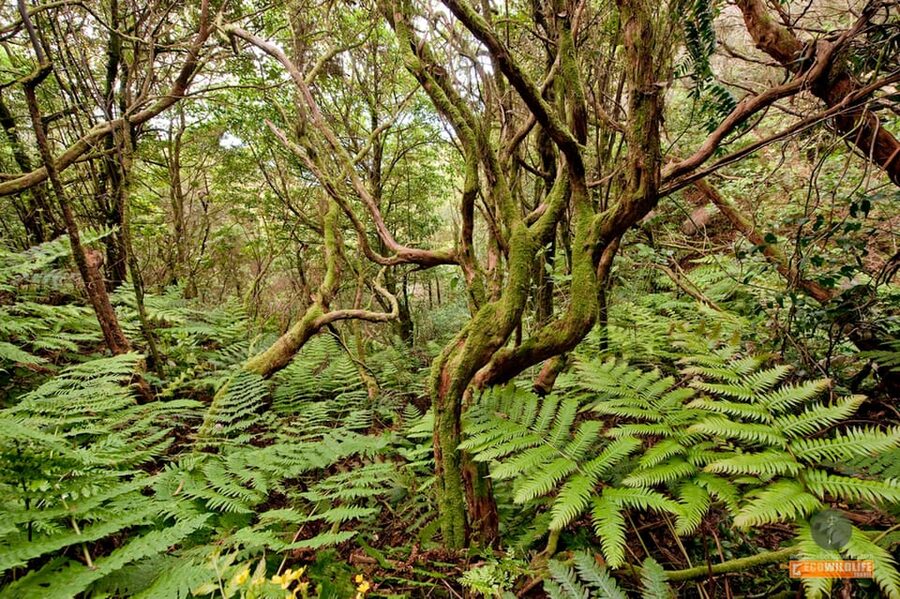
This forest is famous for being a relic of the Tertiary Era. What that means for you on the ground is atmosphere. The woods can feel older than the island itself, with cool air, dense canopy, and the kind of humidity that changes how every step sounds.
I like that the tour does not treat the forest as a backdrop. You get help learning the names and types of trees and plants you are actually seeing. The day references linden trees and the feel of a Jurassic-era forest, a phrase that captures how ancient the environment seems once you are walking inside it.
Possible drawback: because it is a forest walk, you should expect uneven ground and a steady pace. Wear shoes with grip and plan on a light to moderate workout level.
El Cedro Stream To Ermita de Lourdes: Birds At Water Level
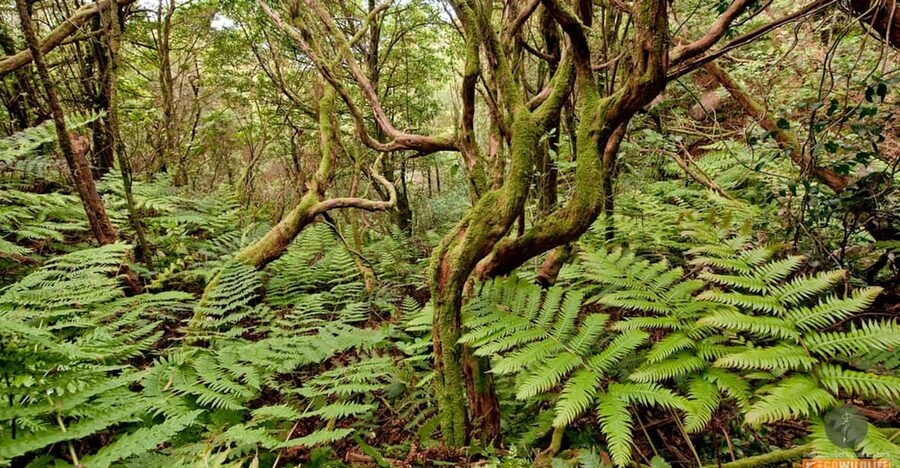
Next comes one of the most satisfying parts of the itinerary: the El Cedro stream walk. The route runs from Las Mimbreras toward Ermita de Lourdes, and it is paced around the slow sounds of water and shade under the canopy.
This is where the tour turns from “history lesson” to “nature time.” The description highlights the serene coolness of the stream and the wildlife you might see as the group makes its way along the water.
You may also encounter birds, including blue finches, that approach for bread crumbs. That small detail is important. It means you are not only looking for wildlife from far away. You might get closer views, as long as you follow the guide’s instructions and keep interactions respectful.
Other species mentioned as part of the forest experience include parrots and plants like vinatigos, plus barbusano, also called palo blanco. Even if you do not memorize the names, you’ll leave with a clearer picture of what a working ecosystem looks like on this island.
Pacing, Roads, And The Small-Group Advantage
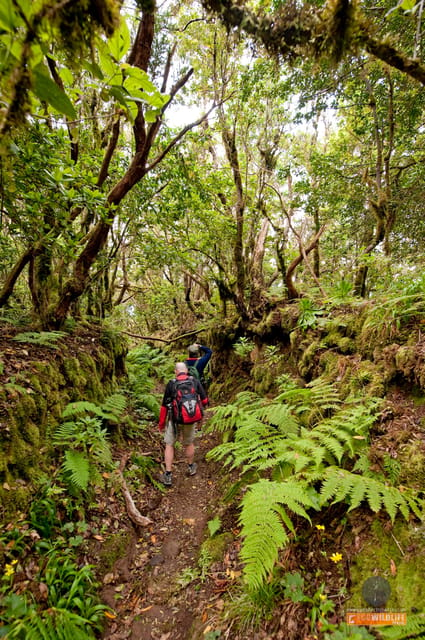
A 6-hour tour on La Gomera can feel like a lot, mostly because the roads are curvy and the timing between stops is real. The good news is the group size is capped at 7 participants, so you’re less likely to get stuck in the “wait for everyone” problem that bigger groups face.
One participant account praised an escort named Juan for being on time, communicating via WhatsApp to confirm the meeting details, and driving carefully even on winding roads. That kind of calm competence matters on islands where a short delay can ripple through the whole day.
So here is my practical take for you: if you tend to get motion sickness, plan ahead. If your body is sensitive, choose comfortable clothing and bring what you need to stay relaxed on the transport legs.
Price And Value: Is $62 Fair For This Half-Day Mix?
At $62 per person for 6 hours, this sits in the midrange for a guided day with multiple heritage stops and a forest-and-stream walk. The best value here is the combination of three layers you normally pay for separately: guided history in San Sebastián, protected nature inside Garajonay, and a guided route along El Cedro with likely bird moments.
You should also factor in what you do not get. Food and beverages are not included unless specified, and equipment is not included either. That means your true total cost depends on your meal plan.
If you are staying on La Gomera for a short time, this price can feel like a bargain because you are buying both interpretation and logistics. If you already know you want to wander on your own and you have the energy for a DIY day, you may find cheaper options. But you will probably trade away the specific Columbus focus and the plant-and-wildlife guidance.
Who This Tour Fits Best (And Who Should Skip It)
This tour fits best if you want two things at once: meaningful local history tied to Columbus, and hands-on nature time in a protected forest setting. The small group and live guide in English or Spanish make it especially good if you like asking questions rather than just filming from the sidelines.
It is not a good match for young kids. The tour is not suitable for children under 5 years old. It also leans toward adults and teens who can handle walking in forest conditions and being outside for much of the day.
Also, if your schedule depends entirely on a cruise stop window, treat timing seriously. Two separate accounts included last-minute trouble when a cruise passenger found out the tour was canceled or not operating. That does not mean every day goes wrong, but it does mean you should confirm the plan early and keep a Plan B if you are tied to ship time.
What To Bring For The Garajonay And El Cedro Part
The tour description does not list specific equipment, so I recommend packing like this is a forest walk and stream-side stroll, not a quick photo stop.
Bring:
- Comfortable walking shoes with grip
- A light rain layer, because forest air can turn damp
- Sunglasses and sunscreen if the canopy thins near stream edges
- A small snack for you, since food is not included
If you are sensitive to motion, consider motion-sickness support before the road legs. If you want bird views, keep your hands free, follow the guide’s bread-crumb moment rules, and stay patient. You’ll get better results with calm behavior than with frantic leaning forward.
Final Call: Should You Book Colon Skies?
I think this is a strong booking if you want a focused day on La Gomera’s protected heart plus a clear Columbus storyline in San Sebastián. The strongest selling points are the UNESCO-linked Garajonay forest walk, the El Cedro stream atmosphere with wildlife chances, and the specific heritage stops that connect water, defense, and voyages.
I would book it if:
- You like guided interpretation, not just self-guided sightseeing
- You want history and nature in the same day
- You appreciate a small group pace
I would be cautious if:
- Your day depends tightly on a cruise schedule and you cannot adjust
- You dislike walking on uneven, forest-ground conditions
- You were hoping food would be included, because it is not
If you go in with the right expectations, this is a memorable way to understand why La Gomera mattered, and why its old forests still feel alive today.
FAQ
How long is the Colon Skies tour?
The tour lasts 6 hours.
Where do I meet the guide?
The meeting point is the Bus Station at the Port of San Sebastián in La Gomera.
Is food included in the price?
Food and beverages are not included unless specified.
What does the tour include?
It includes transportation in San Sebastián, a visit to El Cedro, and a visit to San Sebastián with a local guide, plus a tour of the capital of La Gomera.
What languages are available for the live guide?
The live tour guide operates in Spanish and English.
What is the group size?
This is a small group limited to 7 participants.
Is the tour suitable for children?
It is not suitable for children under 5 years old.
Can I cancel or pay later?
Free cancellation is available up to 24 hours in advance for a full refund, and you can reserve now and pay later.
Is equipment provided?
Equipment is not included.
More Tour Reviews in Canary Islands
- hikking tour in Anaga
★ 5.0 · 5 reviews - Discover Lobos en Ebike on Your Own
★ 4.8 · 4 reviews - Excursion to Ajuy Caves and Las Peñitas canyon hike, from South
★ 5.0 · 3 reviews - Tenerife: Whale and Dolphin Watching Boat Tour
★ 4.6 · 3 reviews