
Reviewed · TENERIFE FOOD & WINE
Tenerife: Flavours and Wines of Tenerife Gastronomy Tour
Bananas and wine, in one tight half-day. I love the hands-on feel of Finca Las Margaritas, where you learn banana cultivation and taste local food, and I love the winemaker-style stop at Bodega Lagar de Chasna, with wine paired with Canarian snacks. The main thing to plan for is time, this is a 4-hour loop, so you get great samples, not a long, slow meal.
You’ll be picked up from a wide set of south Tenerife meeting points and brought to both sites, then dropped back in time to carry on with your day. The guide is live and you can choose English, German, or Spanish, and if you’re lucky with the guide assignment, you may get someone patient who explains at the pace you need.
Bring a couple of practical basics, comfortable shoes for the farm ground, and warm layers for the cellar and mountain air. And if you’re hoping for a full-on beach day, shift your expectations, this one is about food, wine, and seeing how the island produces what you eat.
Key things I think you will enjoy most
- Banana plantation reality at Finca Las Margaritas, with cultivation explanations and tastings
- Gofio + local product sampling, so you learn what Canarians actually cook with
- Bodega time with pairings at Bodega Lagar de Chasna, not just a quick pour
- Canarian wine education, including how volcanic ground shapes vineyard work
- A true local finish, with a traditional Canarian snack that feels more like home than a tourist plate
Finca Las Margaritas: Bananas, gofio, and the real farm feel
The tour starts at Finca Las Margaritas, a working banana plantation that’s great because it feels practical, not staged. You’re not just looking at plants from a distance. You’re guided through what it takes to grow bananas on Tenerife, how the farm works, and what makes the banana crop so central to the island’s food identity.
One of the best parts here is the way the guide turns the farm into something you can picture at home. You learn the cultivation basics and also pick up context on local production. There’s also a food angle beyond fruit: you’ll be introduced to gofio production, a Canarian staple made from roasted grain. Even if you’ve never tasted gofio before, this is where it stops being a name and becomes a real ingredient you can connect to local flavors.
If you like learning by doing, you’ll likely enjoy the interactive farm element. In past visits, the experience included the chance to touch and feel banana plant leaves, so you get a better sense of what’s growing around you. That small detail matters. It turns the plantation from a background setting into an actual place you understand.
You’ll also taste local products here, including fresh fruit such as bananas. The goal is simple: let you taste what you’re seeing, then tie it back to how it’s made and why it’s worth paying attention to. It’s also a helpful reset before wine, because fruit tastings keep the morning palate light.
Practical note: wear comfortable shoes. Even though it’s not described as a hike, plantation paths and uneven ground can still surprise you.
More Canarian plates, cellars and tastings
- Whale watching and listening Eco-Catamaran Tour with Food Tasting★ 5.0 · 1,447 reviews
- Whale Watching and Listening Eco Catamaran Tour with Food Tasting★ 5.0 · 543 reviews
- Los Gigantes: Sailing Excursion with Swimming, Drink & Tapas★ 4.8 · 471 reviews
The mountain road ride: why the drive matters for the wine stop
After the farm visit, you head toward the wine cellar along the mountain road. That stretch is more than transportation. It’s part of the storytelling. Tenerife’s wine culture makes more sense once you’ve seen how the island’s geography sets limits and opportunities for growing grapes.
The drive gives you a view of the island’s terrain, plus a bit of a change in pace from the farm. That shift is useful, because it breaks up the day and keeps the experience from feeling like two tastings glued back-to-back.
This is also when your guide can start bridging the dots. You’ll be set up for what you learn at the cellar, including how local conditions affect the vineyard approach. Even if you’re not a wine nerd, the explanations are meant to be understandable, grounded in what growers deal with. The experience is built for people who want context, not a lecture.
If you get motion-sensitive, this is where you might want to choose your position in the vehicle wisely and take water. The day is short, but the road can involve curves typical of island mountain routes.
Bodega Lagar de Chasna: wine tasting with real Canarian pairings
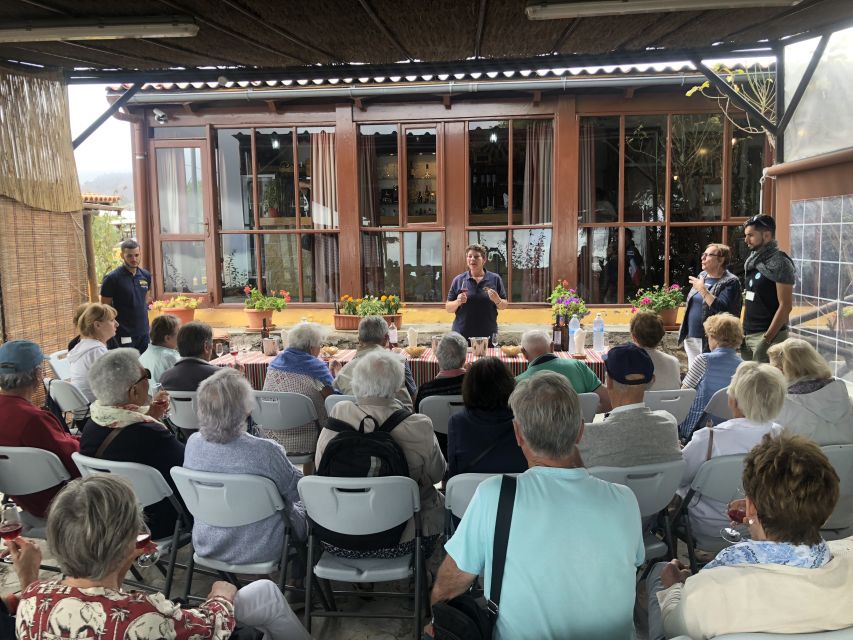
Next comes Bodega Lagar de Chasna, one of the island’s standout wine cellars. This stop is the main event for many people because it’s where you switch from produce to wine, and from farm life to the way grapes turn into something you drink.
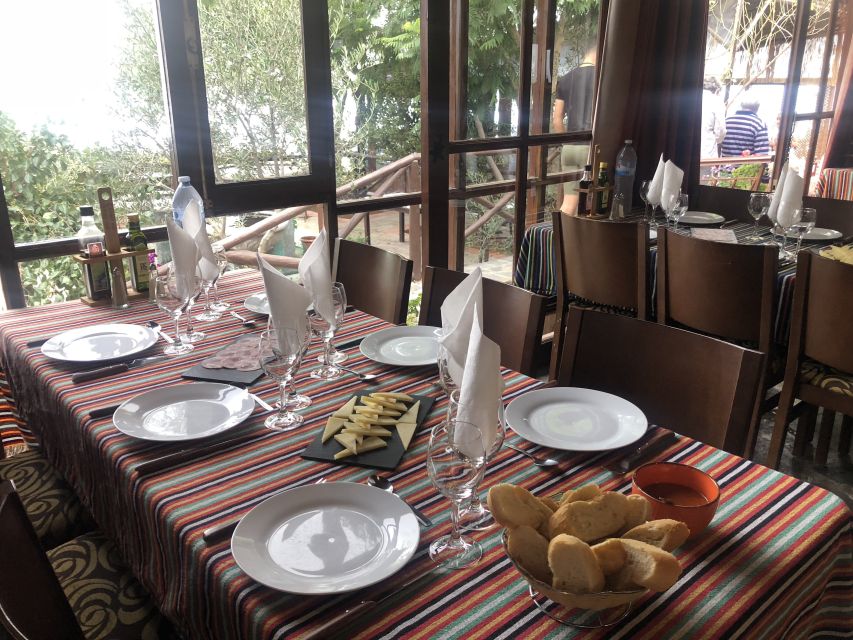
The cellar experience centers on a wine tasting paired with local snacks. Instead of eating first and then tasting like a separate activity, the pairings help you taste in context. You learn to notice what the wine does next to local flavors, and how the snacks can sharpen or soften certain notes.
A big highlight here is the way the guide talks about the island’s wine reality. In past experiences, explanations have included the role of volcanic ground and how Tenerife’s cultivation methods can differ from what you might know from mainland Europe. That kind of detail changes the tasting. Without it, wine is just wine. With it, you start tasting the connection between soil, farming choices, and what ends up in the glass.
In many tastings like this, the whites are often a special moment, so if you enjoy lighter, aromatic wines, keep your attention open during the tasting lineup. You’ll also sample other styles, and the overall goal is variety, so you can find what fits your taste without guessing too much in advance.
One more thing: the atmosphere. A cellar tasting can go stiff, but this one has a reputation for being fun and animated, the kind of host who keeps things moving and makes the information easier to remember.
You’ll finish this part still hungry in the good way, because you’re not leaving with a heavy meal. You’re leaving with the flavors of Tenerife in your head and on your palate.
The food finish: what that traditional snack really feels like
After wine, the tour wraps with a traditional Canarian snack. The important word here is snack. Included food is part of the value, but it’s not described as a big sit-down lunch with multiple full courses.
In practice, that matters because it shapes what you should do after the tour. Plan on continuing your day with dinner later. If you’re the type who gets cranky when you skip a real meal, eat a lighter breakfast or bring a small snack beforehand before you head out.
The food at the cellar stop centers on local products and pairings, and the flavor theme stays consistent. You’re not jumping from random airport-style bites to something totally different. Instead, you keep moving through Canarian basics: local fruit, gofio, and then the familiar comfort flavors that show up in mojo and traditional preparation.
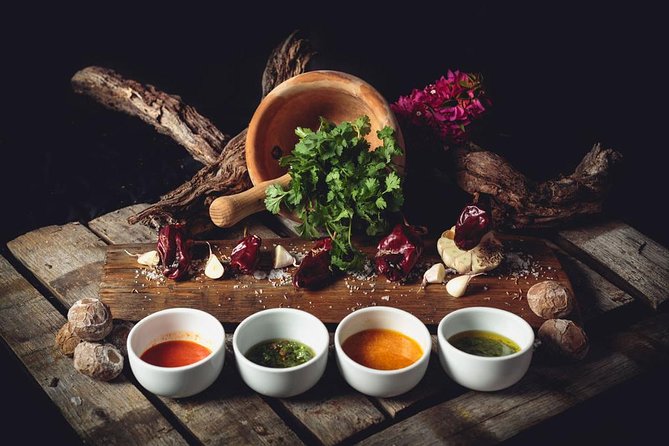
Mojo is one of those tastes you remember once you’ve had it. Even when the food isn’t presented as a full meal, mojo and small plates can be enough to feel like you ate like a local, not like you snacked through a tour.
If you’re traveling with wine as a priority, this works well. You won’t be so full that the wine tastes muted. And if you’re traveling with food as the priority, the wine tasting still gives you a direct link to the ingredients and choices behind the local table.
More Tenerife labels to try


Price and value: is $81 a good deal for 4 hours?
At about $81 per person for a 4-hour experience, the real question is value for time. This is not just a tasting ticket. You’re paying for hotel pickup and drop-off, transportation, a live guide, and multiple tastings, first at the plantation and then at the cellar.
To judge value, compare what it would cost you to do these things separately. A working farm visit plus a guided wine-cellar tasting with food pairings, plus a driver to connect both, is hard to assemble solo without spending more time and usually more money. Here, the schedule is tight, but it’s purposeful. You get the two main experiences in one half-day, plus you’re back where you started without having to organize transport.
The cost is also tied to what you actually receive. You taste local fruit, you learn about gofio, and you sample wine with snacks. And the tour returns you to your accommodation area quickly, which is valuable if you planned another activity later the same day.
The only real downside to value is the short format. If you want a slow, long lunch and a deep dive into every glass and every story, this half-day may feel a bit compressed. But if you want a focused Canarian food-and-wine snapshot, this is priced like a sensible shortcut.
Who should book this Tenerife flavors and wines tour?
This works best for people who want a genuine taste of Tenerife without the hassle of driving between food stops. If you’re staying in south Tenerife, the pickup and drop-off options make it especially convenient, since you can meet the group at a variety of hotels, bus stops, and popular area points.
I’d also recommend it to:
- Couples and solo travelers who like structured tastings but still want a local setting
- Food-first travelers who want gofio and mojo flavor connections, not just wine
- Wine drinkers who appreciate context, like volcanic soil and cultivation differences, not only tasting notes
It can be less ideal if you’re the type who doesn’t enjoy tasting menus, short events, or “sampling” food. But even then, the farm stop gives it a broader feel than a standard wine tour.
Language support is a practical plus. You can choose live guiding in English, German, or Spanish, which keeps the explanations on track. And because you’re on your feet at the farm and in a cellar environment, comfortable shoes and warm layers help you stay relaxed instead of rushing.
The tour is operated by Atlántico Excursiones, and the experience style is built around a guided rhythm, pickup, farm, cellar, snacks, then return to your day.
Tips so you enjoy every tasting without rushing
A short tour is only fun if you manage your pacing. Here are a few things that help:
- Drink water between tastings, so you can actually taste what you’re served at the cellar.
- Go easy on your choices if you’re driving later in the day. Wine is part of the experience, so plan accordingly.
- Ask the guide questions when you’re at the farm and during the cellar explanations. The most useful parts are the ones that connect cultivation to what ends up on your plate.
- Wear comfortable shoes. Even in a half-day, farm time adds up.
- Bring a layer, warm clothing helps when you move from plantation heat to the more cool, cellar environment.
If you’re the note-taking type, jot down which wines you like early. It helps you remember what you loved once the snack and return start to blur the details. And if you’re a first-timer in Tenerife food culture, focus less on remembering every fact and more on noticing flavors you want to seek out later, like gofio-based tastes and mojo.
Should you book it? My straight recommendation
I’d book this Tenerife flavors and wines tour if you want a simple, efficient way to experience both sides of Canarian food: produce at a banana plantation and wine at a top-name cellar, with tastings tied together by local snacks.
It’s a smart fit for a half-day slot because you get pickup and return, plus you don’t waste time figuring out transportation. The most praised parts are the banana plantation stop, the structured wine tasting at Bodega Lagar de Chasna, and the way the food pairings keep the flavors clearly Canarian. If that’s your goal, this tour meets it.
Skip it only if you hate sampling formats or you need a long, sit-down meal with lots of food. This is about tasting and learning in motion, then letting the rest of your day belong to you.
FAQ
How long is the Tenerife Flavours and Wines tour?
The tour lasts 4 hours.
Where does pickup and drop-off happen?
Hotel pickup and drop-off are included, with multiple pickup and drop-off locations in the south of Tenerife. You’ll be sent the exact pickup time and meeting point by email after you share where you’re staying.
What language is the tour guide?
The live tour guide is available in English, German, and Spanish.
What do I do at the banana plantation?
You visit Finca Las Margaritas for a guided tour and food tasting, including learning about banana cultivation and being introduced to gofio production.
What happens at the wine cellar?
At Bodega Lagar de Chasna, you have an aperitif and go through a wine tasting paired with local snacks.
Is food included, and what kind?
Yes. You get wine tastings, food tastings, and a typical Canarian lunch (and/or traditional snack as part of the tasting experience).
What should I bring for the tour?
Wear comfortable shoes. Bring warm clothing.
Is there cancellation protection?
Yes. Free cancellation is available up to 24 hours in advance for a full refund.
Can I reserve without paying right away?
Yes. Reserve now & pay later is available, so you can book your spot and pay nothing today.
More Tours in Tenerife
- Tenerife: Mount Teide Tour with Cable Car Ticket & Transfer
★ 4.3 · 5,094 reviews - Costa Adeje: Whale Watching Catamaran Tour with Drinks
★ 4.7 · 3,653 reviews - No chase Whale & Dolphin tour putting Marine Life first – we care
★ 4.5 · 2,168 reviews - Tenerife: Marine-Life Tour with Transfer, Buffet and Drinks
★ 4.8 · 1,865 reviews - Whale watching and listening Eco-Catamaran Tour with Food Tasting
★ 5.0 · 1,447 reviews
More Tour Reviews in Tenerife
- Siam Park Entry Tickets
★ 4.5 · 15,710 reviews - Tenerife: Eco-Yacht Whale and Dolphin Watching and Swimming
★ 4.7 · 15,619 reviews - Los Cristianos Respectful No-Chase Whale and Dolphin Safari
★ 4.6 · 12,782 reviews - Tenerife: Loro Parque Entry Ticket
★ 4.8 · 12,411 reviews - Loro Parque and Siam Park Combined Admission Tickets
★ 4.7 · 7,307 reviews
Tenerife at the Table
- Whale watching and listening Eco-Catamaran Tour with Food Tasting
★ 5.0 · 1,447 reviews - Whale Watching and Listening Eco Catamaran Tour with Food Tasting
★ 5.0 · 543 reviews - Los Gigantes: Sailing Excursion with Swimming, Drink & Tapas
★ 4.8 · 471 reviews - Tenerife: Shared Yacht Cruise with Champagne and Tapas
★ 4.8 · 135 reviews - Tenerife Gastronomy Tour with Two Winery Visits and 4-Course Lunch
★ 4.0 · 131 reviews
Just Reviewed: Fresh Tenerife Trips



Tenerife Food & Wine, compared.
 Boat & Yacht Trips
Boat & Yacht Trips
Boat & Yacht Trips
 Boat & Yacht Trips
 Boat & Yacht Trips
 Lunch Experiences
 Cheese
 Boat & Yacht Trips
 Food & Drink
Browse the lists this tour appears in